Shimla has been luring travelers since the British Ruling days — and it hasn’t lost an ounce of its charm. But here’s the thing: Shimla isn’t a one-season destination. Depending on when you go, you could be walking through snow-draped pine forests, hiking under clear blue skies, or dodging monsoon clouds on the Ridge. So, what’s the best time to visit Shimla? Let’s break it down month by month so you can plan a trip that actually matches what you’re looking for.
Shimla’s Climate at a Glance
Shimla sits at an altitude of roughly 2,200 meters, which means it stays pleasantly cool through most of the year and genuinely cold in winter. Broadly, the year splits into three travel seasons:
- Summer (March to June) – Mild, sunny, and the busiest tourist season
- Monsoon (July to September) – Heavy rainfall, lush greenery, fewer crowds
- Winter (October to February) – Chilly days, freezing nights, and snowfall from late December onwards
Each season has its own personality, and honestly, none of them are “bad” — it just depends on what kind of holiday you’re after.
Best Time to Visit Shimla for Snowfall (December to February)
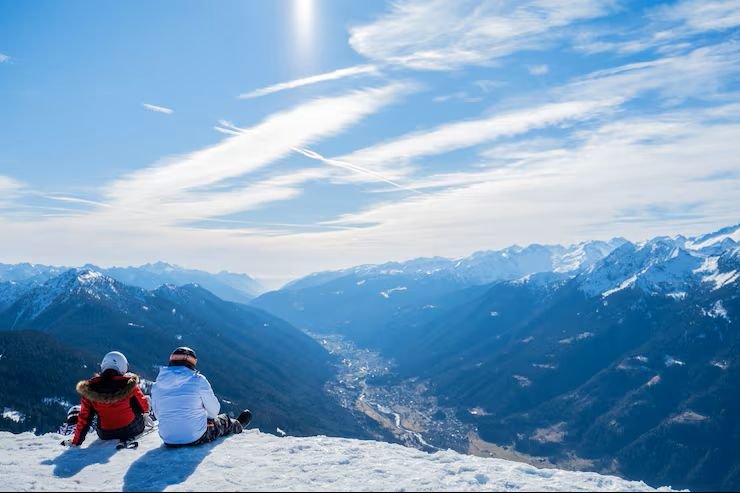
If you’re chasing snowflakes, mark your calendar for late December through February. This is hands-down the best time to visit Shimla for snowfall, especially around Christmas and New Year, when the town transforms into a postcard-perfect winter wonderland.
Snowfall usually starts around late December and continues intermittently through January and into early February. Temperatures often dip to 0°C or below at night, so pack heavy woolens, thermal layers, and waterproof boots.
Best time to visit Shimla with family for snowfall? The last week of December through mid-January is ideal — schools are on winter break, the Mall Road lights up with festive decorations, and kids get to experience real snow, often for the first time. Nearby spots like Kufri and Narkanda also get blanketed in white, making for excellent day trips.
A quick heads-up: winter travel means occasional road closures during heavy snow, so keep some flexibility in your itinerary and check weather updates before setting out.
Best Time to Visit Shimla for Couples (March–June or September–November)
Looking for a romantic getaway without the winter chill or monsoon mess? The best time and weather conditions to visit Shimla for couples fall into two lovely windows: spring/early summer (March to June) and post-monsoon autumn (late September to November).
Spring brings blooming rhododendrons, crisp mountain air, and comfortable daytime temperatures between 15°C and 28°C — perfect for candlelit dinners at rooftop cafés, quiet walks along Jakhoo Hill, or a toy train ride to Kalka. Autumn, on the other hand, offers clear skies, golden light, and noticeably thinner crowds, making it feel more intimate and less touristy.
Avoid the peak summer weeks of May and early June if you want a quieter experience, since this is when Shimla sees its heaviest domestic tourist rush.
Month-by-Month Breakdown
January – Peak winter. Heavy snowfall, temperatures near freezing. Great for snow lovers, but pack serious cold-weather gear.
February – Snow starts melting but patches remain in higher areas like Kufri. Slightly milder than January, still chilly.
March – Spring begins. Days turn pleasant (10–20°C), flowers bloom, and crowds are still thin. A hidden gem month for budget travelers.
April – Warmer days, cool evenings. One of the most balanced months — comfortable weather without peak-season pricing.
May – Start of peak summer season. Weather is warm during the day (up to 28°C) and cool at night. Hotels get busy, so book early.
June – Hottest month of the year in Shimla, though still far cooler than the plains. Perfect escape from the summer heat elsewhere in India.
July – Monsoon kicks in. Frequent rainfall, landslide risk on certain routes, but the hills turn a stunning emerald green.
August – Monsoon continues. Not ideal for trekking or outdoor sightseeing, but great for travelers who love misty, moody landscapes and don’t mind rain.
September – Monsoon tapers off by mid-month. Skies clear up, making late September a sweet spot for visibility and fewer tourists.
October – One of the best months overall. Crisp air, clear mountain views, and comfortable daytime temperatures (10–20°C). Ideal for photography and sightseeing.
November – Cooling down fast. Pre-winter charm sets in, nights get cold, and it’s a great time for those who want quiet solitude before the winter rush.
December – Snowfall begins in the latter half. Christmas and New Year see a massive influx of visitors, so expect higher hotel rates and crowded markets.
So, What’s the Overall Best Time to Visit Shimla?
It really depends on your priorities:
- For snowfall: Late December to February
- For pleasant weather and sightseeing: March to June, or October
- For a romantic, quieter trip: April–May or late September–November
- For lush greenery and budget travel (if you don’t mind rain): July–August
- For families with kids on winter break: Last week of December to mid-January
If you’re a first-time visitor who just wants comfortable weather, manageable crowds, and good visibility for those famous Himalayan views, April, May, and October are your safest bets. If snow is non-negotiable, plan around early-to-mid January.
Quick Packing Tips by Season
- Winter: Heavy jackets, thermals, gloves, woolen caps, waterproof boots
- Summer: Light jackets for evenings, comfortable walking shoes, sunscreen
- Monsoon: Raincoats, umbrellas, quick-dry clothing, non-slip footwear
Final Thoughts
Shimla doesn’t really have a bad time to visit — it has different versions of itself throughout the year, each with its own kind of magic. Whether you’re building snowmen in January, sipping coffee under blooming rhododendrons in April, or watching mist roll over pine trees in July, the hills have something for every kind of traveler. Figure out what experience you’re chasing — snow, romance, solitude, or greenery — and let that decide your calendar, not the other way around.
Read Also: Manali Tour Packages – Book Manali Holidays at Best Price