Social media algorithms change overnight. Ad costs keep climbing. But one channel has stayed reliable for decades: the inbox.
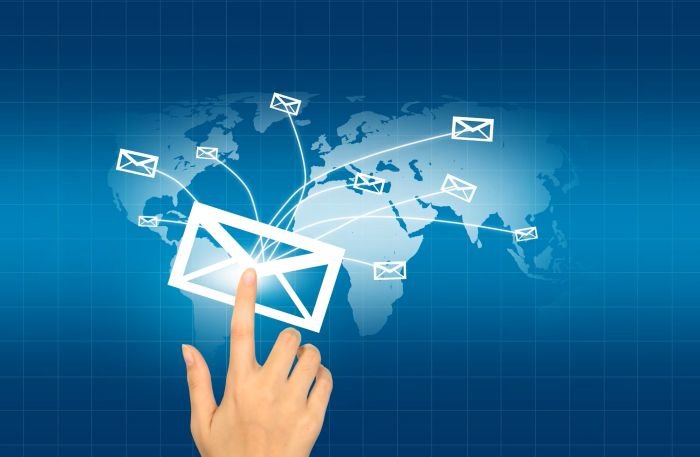
Email marketing means sending targeted messages to people who have chosen to hear from you. Done well, it builds trust, drives repeat sales, and gives you something no social platform can: an audience you actually own. This guide covers how it works, which tools to use, what good emails look like, and how you can turn it into a career.
Why Email Marketing Still Works
When you post on Instagram, you’re borrowing someone else’s audience. If the platform changes its rules, your reach disappears. Your email list doesn’t work that way. Those subscribers are yours.
Email is also personal. People check their inbox daily, often on their phones, and they read messages from brands they’ve signed up for. That makes it one of the most cost-effective ways to nurture leads, announce offers, and keep customers coming back.
Email Marketing for Small Business
If you run a small business, Email marketing may be the best return on investment you can get. You don’t need a huge budget or a design team. You need a simple plan.
Start with a clear goal. Are you trying to sell a product, book appointments, or keep past customers engaged? Your goal shapes everything else.
Build your list the honest way. Add a signup form to your website, offer a small incentive like a discount or a free checklist, and collect emails at checkout or in-store. Never buy lists. Purchased contacts rarely engage, and they can get your account flagged for spam.
Send a welcome email. This is your most-read message, so use it. Introduce yourself, set expectations, and give people a reason to stay.
Stay consistent. Weekly or fortnightly is plenty for most small businesses. A steady rhythm beats occasional bursts.
Think of a local bakery sending a Friday email about weekend specials, or a fitness coach sharing a quick tip every Tuesday. Neither is complicated, and both build habits and loyalty.
Email Marketing Examples That Work
Seeing real formats helps more than theory. Here are types of emails that consistently perform well:
- Welcome emails: A warm hello, a quick story about your brand, and a first offer.
- Newsletters: Useful content, such as tips, news, or stories, with a soft call to action.
- Abandoned cart emails: A gentle reminder to someone who left items behind.
- Product launch emails: Build anticipation, then announce with a clear button.
- Re-engagement emails: “We miss you” messages with a reason to come back.
- Post-purchase emails: Thank-yous, usage tips, and review requests.
The best ones share a few traits. They have a subject line that sparks curiosity, one clear message, and a single call to action. They also sound like a person wrote them, not a committee.
Email Marketing Tools (Including Free Options)
You can’t run campaigns from a regular inbox. You need an email service provider (ESP) to manage lists, design emails, automate sequences, and track results.
Popular options include:
- Mailchimp: Beginner-friendly with a wide feature set.
- Brevo (formerly Sendinblue): Good for email plus SMS and automation.
- MailerLite: Clean, simple, and great for small teams.
- Kit (formerly ConvertKit): Popular with creators and bloggers.
- Klaviyo: Built for e-commerce stores.
- ActiveCampaign: Strong automation for growing businesses.
Is there free email marketing software? Yes. Many platforms offer free plans, usually with limits on subscribers, monthly sends, or features. They’re perfect for testing the waters. Plans and limits change often, so check each provider’s current pricing page before you commit. When your list grows and you need advanced automation, you can upgrade.
How to Write Emails People Actually Open
Even the best tool can’t save a boring email. Focus on these basics:
- Write a human subject line. Short, specific, and honest. Avoid ALL CAPS and spammy phrases.
- Use the preview text. It’s your second chance to earn the open.
- Keep it skimmable. Short paragraphs, clear headings, and one main button.
- Personalise sensibly. A first name helps, but relevant content matters more.
- Test and learn. Try different subject lines, send times, and offers. Let your data guide you.
- Respect the rules. Always include an unsubscribe link and follow regulations like GDPR and CAN-SPAM.
Email Marketing Course: How to Learn the Skills
You don’t need a degree to get good at this. Plenty of learners start with free courses from platforms like HubSpot Academy and Google’s training programs, as well as video tutorials from the ESPs themselves. If you want structure and a certificate, paid courses on sites like Coursera or Udemy can take you deeper into automation, segmentation, and analytics.
Whichever you choose, practise as you learn. Start a small newsletter, build a basic welcome sequence, and study your open and click rates. Hands-on experience teaches faster than any lecture.
Email Marketing Jobs and Salary
Email marketing is a real career path, with roles including:
- Email marketing specialist
- Email marketing manager
- CRM or lifecycle marketer
- Marketing automation specialist
- Freelance email copywriter or consultant
Email marketing salary varies widely based on country, experience, industry, and whether you work in-house, at an agency, or freelance. Entry-level roles start modestly, while experienced managers and specialists in e-commerce or SaaS often earn considerably more. Freelancers can set their own rates, and those with strong results can build a very healthy income. For current numbers in your region, check recent listings on job boards and salary sites.
The skills that move you up are copywriting, data analysis, segmentation, and automation. If you can show a portfolio of campaigns that grew a list or increased sales, you’ll stand out.
Turning Email Marketing Into a Business
Beyond jobs, an email marketing business is a viable venture in its own right. You can offer services to local companies, such as setting up their ESP, writing newsletters, or building automated flows. Others run their own newsletters and earn through sponsorships, products, or affiliate partnerships.
Start with one niche, such as restaurants, online coaches, or e-commerce brands, and get a few results you can point to. Referrals will follow.
Final Thoughts
Email marketing isn’t flashy, and that’s exactly why it works. It rewards consistency, honesty, and a little creativity. Whether you want to grow your small business, learn a new skill, or build a career, the path is the same: start a list, send something useful, and keep improving.
Pick a tool, write your first welcome email today, and hit send. Your future subscribers are waiting.