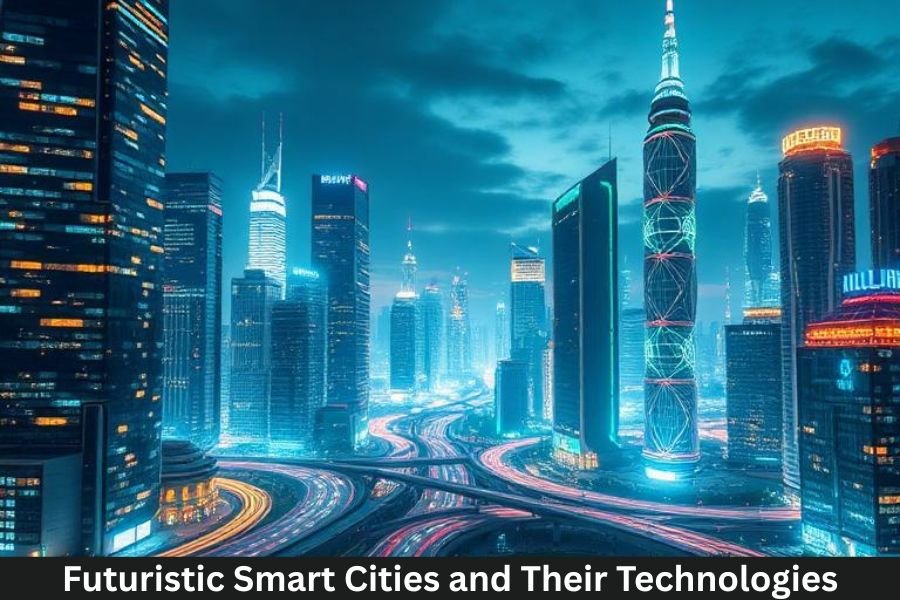
Imagine a city that thinks, learns, and adapts—almost like a living organism. That’s exactly what a smart city is. A smart city uses advanced technologies like sensors, artificial intelligence, and data analytics to improve how the city operates and how people live in it. From traffic lights that adjust themselves to energy systems that reduce waste, everything works together in harmony.
Why Smart Cities Matter in the 21st Century
With urban populations growing faster than ever, traditional city systems are under pressure. Smart cities step in as a solution, helping governments manage resources better while improving quality of life. Think of it as upgrading an old phone to a smartphone—it just makes everything easier, faster, and smarter.
Evolution of Urban Development
From Traditional Cities to Digital Cities
Cities weren’t always this complex. Early cities focused on shelter and trade. Over time, they evolved with roads, electricity, and public services. Today, we’re witnessing the next leap: digital transformation. Smart cities are the result of combining physical infrastructure with digital intelligence.
The Role of Urbanization and Population Growth
By 2050, nearly 70% of the world’s population will live in cities. That’s a lot of people sharing limited space and resources. Smart technologies help cities scale efficiently, ensuring that growth doesn’t lead to chaos.
Core Technologies Powering Smart Cities
Internet of Things (IoT)
Smart Sensors and Connected Devices
IoT is the nervous system of a smart city. Sensors embedded in roads, buildings, and utilities constantly collect data. These devices communicate with each other, allowing systems to respond in real time—like streetlights dimming when no one’s around.
Artificial Intelligence (AI)
Predictive Analytics and Automation
AI is the brain behind the operation. It analyzes massive amounts of data to predict traffic congestion, optimize energy use, and even detect potential infrastructure failures before they happen.
Big Data and Cloud Computing
All that data needs a home. Cloud platforms store and process information securely, while big data analytics turn raw numbers into actionable insights. It’s like having a super-organized digital filing cabinet that never sleeps.
Smart Infrastructure and Buildings
Intelligent Transportation Systems
Smart traffic signals, real-time navigation apps, and adaptive road systems reduce congestion and save time. Ever noticed how some traffic lights seem to “know” when to change? That’s smart tech at work.
Smart Buildings and Green Architecture
Buildings in smart cities are energy-efficient, self-regulating, and environmentally friendly. They adjust lighting, heating, and cooling automatically, reducing costs and carbon footprints.
Energy Management in Smart Cities
Smart Grids
Smart grids monitor energy usage in real time, balancing supply and demand efficiently. They reduce outages and make energy distribution more reliable.
Renewable Energy Integration
Solar panels, wind turbines, and other renewable sources are seamlessly integrated into city power systems, reducing dependence on fossil fuels.
Energy Storage and Optimization
Advanced batteries store excess energy for later use, ensuring nothing goes to waste.
Smart Mobility and Transportation
Autonomous Vehicles
Self-driving cars are no longer science fiction. In smart cities, they reduce accidents, improve traffic flow, and offer mobility to those who can’t drive.
Electric Vehicles and Charging Infrastructure
EVs are the future, and smart cities support them with widespread charging stations and incentives.
Traffic Management Systems
AI-powered systems monitor traffic patterns and reroute vehicles to prevent jams.
Smart Governance and E-Government
Digital Public Services
From paying taxes online to applying for permits, smart cities make government services faster and more accessible.
Data-Driven Decision Making
Leaders use real-time data to make informed decisions, improving transparency and efficiency.
Public Safety and Security
Smart Surveillance Systems
AI-enabled cameras and sensors help detect unusual activities while improving public safety.
Emergency Response Technologies
Smart systems alert emergency services instantly, reducing response times and saving lives.
Healthcare in Smart Cities
Telemedicine and Remote Monitoring
Residents can consult doctors online and use wearable devices to track health metrics.
AI in Healthcare Management
Hospitals use AI to optimize schedules, manage resources, and improve patient outcomes.
Environmental Sustainability
Smart Waste Management
Sensors in trash bins signal when they need emptying, reducing costs and pollution.
Water Management Systems
Smart meters detect leaks and optimize water usage.
Air Quality Monitoring
Real-time air sensors help cities combat pollution and protect public health.
Citizen Engagement and Smart Living
Smart Homes
Homes equipped with smart devices offer comfort, security, and energy efficiency.
Digital Inclusion and Connectivity
Free Wi-Fi zones and digital literacy programs ensure everyone benefits from smart technologies.
Economic Benefits of Smart Cities
Job Creation and Innovation
Smart cities attract tech companies and startups, creating new job opportunities.
Attracting Investments
Efficient infrastructure and innovation-friendly environments draw global investors.
Challenges and Risks of Smart Cities
Data Privacy and Cybersecurity
With great data comes great responsibility. Protecting citizen data is a top priority.
High Costs and Digital Divide
Building smart cities requires significant investment, and not everyone has equal access to technology.
Real-World Examples of Smart Cities
Singapore
A global leader with smart traffic systems and digital governance.
Barcelona
Known for smart energy and citizen engagement platforms.
Dubai
Famous for futuristic architecture and AI-driven services.
The Future of Smart Cities
Emerging Technologies
Technologies like 5G, blockchain, and quantum computing will take smart cities to the next level.
Vision for the Next 20 Years
Future cities will be more human-centric, sustainable, and resilient than ever before.
Conclusion
Futuristic smart cities are not just about technology—they’re about people. By blending innovation with sustainability and inclusivity, smart cities promise a future where urban life is efficient, safe, and enjoyable. The journey has already begun, and the cities of tomorrow are being built today.
FAQs
1. What makes a city “smart”?
A smart city uses technology and data to improve services, sustainability, and quality of life.
2. Are smart cities environmentally friendly?
Yes, they focus heavily on renewable energy, waste reduction, and efficient resource use.
3. Do smart cities replace human jobs?
While automation changes some roles, it also creates new jobs in technology and innovation.
4. Are smart cities safe for citizens?
When designed responsibly, they enhance safety through better monitoring and emergency response.
5. Will smart cities be affordable for everyone?
Affordability depends on policy and planning, but inclusive design aims to benefit all residents.