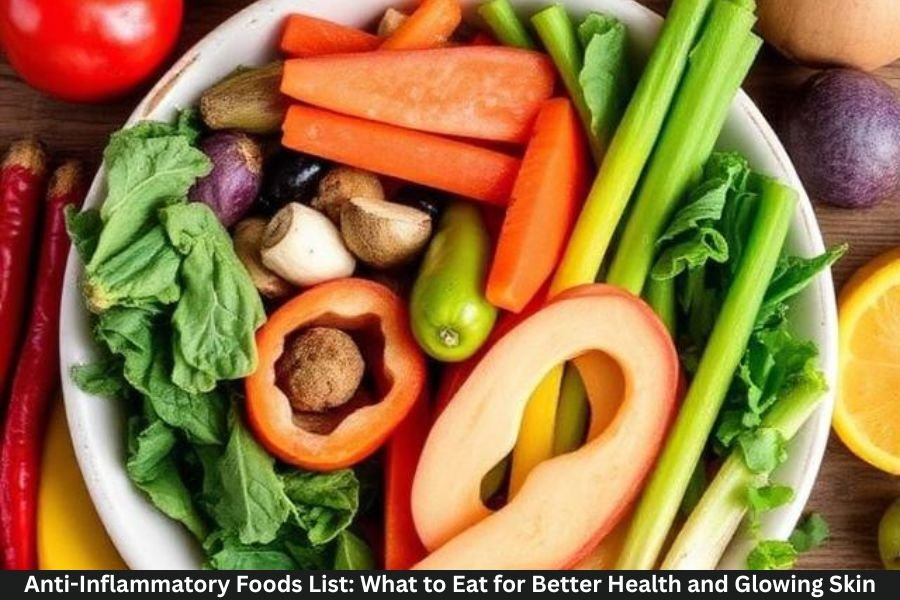
Have you ever noticed how your body feels sluggish, bloated, or tired after eating heavily processed foods for a few days? That uncomfortable feeling may be linked to inflammation. While inflammation is a natural defense mechanism designed to protect the body, chronic inflammation can quietly damage tissues and organs over time. Many modern health issues, including diabetes, obesity, heart disease, arthritis, and even certain cancers, are associated with long-term inflammation.
This is where anti-inflammatory foods come into the picture. These foods are packed with nutrients, antioxidants, vitamins, minerals, and healthy fats that help calm the body’s inflammatory response naturally. Think of them as firefighters working inside your body, cooling down the internal “heat” caused by stress, poor diet, lack of sleep, pollution, and unhealthy lifestyle habits.
Interest in the chronic inflammation diet has exploded over the last few years because more people are looking for natural ways to improve their health without relying entirely on medications. Research from health organizations around the world continues to show that food choices directly influence inflammation levels in the body. Eating the right foods consistently can help improve energy levels, support brain function, strengthen immunity, and even slow signs of aging.
The best part? You do not need expensive supplements or complicated meal plans. Simple everyday foods like berries, leafy greens, fatty fish, and olive oil can make a huge difference when included regularly in your diet. This guide will help you understand exactly how foods to fight inflammation work, which foods are the most powerful, and how beginners can build a sustainable anti-inflammatory lifestyle.
What Are Anti-Inflammatory Foods?
Understanding Inflammation in the Body
Inflammation is the body’s natural response to injury, infection, or harmful substances. Imagine accidentally cutting your finger while cooking. The redness and swelling that appear afterward are signs that your immune system is working to heal the wound. That short-term response is called acute inflammation, and it is essential for survival.
Problems begin when inflammation becomes chronic. Instead of switching off after healing, the immune system stays activated for months or years. This low-grade inflammation silently damages healthy cells and tissues. Unlike acute inflammation, chronic inflammation often has no obvious symptoms in the beginning. Many people experience fatigue, digestive problems, joint pain, headaches, skin irritation, or unexplained weight gain without realizing inflammation may be contributing.
Acute vs Chronic Inflammation
The modern lifestyle has created a perfect storm for chronic inflammation. Ultra-processed foods, refined sugar, smoking, alcohol, chronic stress, poor sleep, and sedentary habits all contribute to inflammatory activity in the body. Over time, this can increase the risk of serious illnesses.
Anti-inflammatory foods help interrupt this process. These foods contain natural compounds like antioxidants, omega-3 fatty acids, fiber, and polyphenols that reduce oxidative stress and support healthy immune function. Instead of triggering inflammation like sugary snacks or processed meats, they nourish the body and help it repair itself more efficiently.
One of the reasons the Mediterranean diet receives so much praise is because it naturally includes many anti-inflammatory ingredients. Researchers often connect this eating pattern with lower rates of cardiovascular disease and better long-term health outcomes. The idea is not about following a strict temporary diet. It is about creating a long-term lifestyle centered around real, nutrient-rich foods.
How Anti-Inflammatory Foods Work
The Role of Antioxidants
To understand how anti-inflammatory foods work, think about rust forming on metal. Oxidative stress in the human body works in a similar way. Harmful molecules called free radicals damage cells over time, accelerating aging and inflammation. Antioxidants found in fruits, vegetables, herbs, nuts, and seeds help neutralize these free radicals before they can cause serious harm.
Foods rich in antioxidants act like a protective shield for your cells. Blueberries, spinach, green tea, and turmeric are especially powerful because they contain compounds known to lower inflammatory markers in scientific studies. These nutrients work together to support healthier blood vessels, organs, joints, and brain cells.
Gut Health and Immune Function
Another major factor is gut health. Nearly 70% of the immune system is connected to the gut, meaning digestive health directly affects inflammation levels. Processed foods and excessive sugar can disrupt gut bacteria balance, while fiber-rich anti-inflammatory foods help beneficial bacteria thrive.
Healthy gut bacteria produce compounds that reduce inflammation and strengthen the intestinal barrier. When the gut lining becomes damaged, harmful substances can enter the bloodstream and trigger immune responses. This is one reason nutrition experts emphasize eating whole foods regularly rather than relying on supplements alone.
Omega-3 fatty acids are another key player. Found in fatty fish like salmon and sardines, these healthy fats help reduce inflammatory chemicals in the body. That is why omega-3 foods for inflammation are consistently recommended by nutritionists and medical professionals.
The magic of anti-inflammatory eating lies in consistency. One healthy meal will not transform your health overnight. But repeated healthy choices every day gradually change how your body functions internally.
10 Best Anti-Inflammatory Foods
Fatty Fish


Fatty fish are among the most effective foods to fight inflammation because they are rich in omega-3 fatty acids. Salmon, sardines, mackerel, tuna, and herring contain EPA and DHA, two essential fats known for reducing inflammatory proteins in the body. Research has repeatedly shown that people who consume omega-3-rich fish regularly tend to have lower risks of heart disease and inflammatory disorders.
These healthy fats support brain health, reduce joint stiffness, and improve cardiovascular function. Many people notice improvements in energy and mental clarity after adding fatty fish to their weekly meals. Even eating fish just two or three times per week can have noticeable benefits.
Leafy Green Vegetables


7
Spinach, kale, Swiss chard, and broccoli are loaded with vitamins, minerals, and antioxidants that protect cells from inflammatory damage. These vegetables are especially rich in vitamin K, which is linked to reduced inflammation and improved bone health.
Dark leafy greens also contain fiber that nourishes beneficial gut bacteria. Adding greens to smoothies, soups, salads, and stir-fries is one of the easiest ways to improve diet quality without drastic lifestyle changes.
Berries
Berries may be small, but they pack a nutritional punch. Blueberries, strawberries, raspberries, and blackberries contain anthocyanins, powerful antioxidants known for their anti-inflammatory effects. These compounds help reduce oxidative stress and support healthy aging.
People who regularly eat berries often experience better heart health and improved cognitive performance. Fresh or frozen berries both provide benefits, making them an easy addition to oatmeal, yogurt, or healthy desserts.
Nuts and Seeds
Almonds, walnuts, chia seeds, flaxseeds, and sunflower seeds are excellent sources of healthy fats, protein, and fiber. Walnuts and flaxseeds are especially beneficial because they contain plant-based omega-3 fatty acids.
Nuts also help stabilize blood sugar levels, which is important because blood sugar spikes can increase inflammation. A small handful daily can support heart health while keeping hunger under control.
Olive Oil
Extra virgin olive oil is a staple of the Mediterranean diet for good reason. It contains oleocanthal, a natural compound with effects similar to anti-inflammatory medications. Replacing processed vegetable oils with olive oil can improve overall health significantly over time.
Drizzling olive oil over salads, roasted vegetables, or whole-grain dishes is an easy way to include this powerful ingredient in daily meals.
Turmeric


Turmeric has become one of the world’s most talked-about anti-inflammatory spices. Its active compound, curcumin, is known for reducing inflammation and oxidative stress. Many studies suggest turmeric may support joint health and improve symptoms related to inflammatory conditions.
Combining turmeric with black pepper helps the body absorb curcumin more effectively. This is why traditional recipes often use the two spices together.
Tomatoes
Tomatoes are rich in lycopene, an antioxidant associated with lower inflammation and improved heart health. Cooking tomatoes actually increases lycopene availability, making tomato sauces and soups excellent choices.
Green Tea
Green tea contains catechins, antioxidants linked to reduced inflammation and improved metabolic health. Drinking green tea regularly may support weight management and heart health while providing a calming effect.
Garlic and Ginger
Garlic and ginger have been used in traditional medicine for centuries. Both ingredients contain natural compounds that support immune function and reduce inflammatory activity. Ginger tea and garlic-rich meals are simple additions with long-term health benefits.
Whole Grains
Whole grains like oats, quinoa, brown rice, and barley contain fiber and nutrients that support digestion and stabilize blood sugar. Unlike refined grains, whole grains help reduce inflammatory markers over time.
Benefits of a Chronic Inflammation Diet
Better Heart Health
One of the biggest advantages of following a chronic inflammation diet is improved cardiovascular health. Chronic inflammation damages blood vessels and contributes to plaque buildup in arteries. Anti-inflammatory foods help protect blood vessels, improve cholesterol balance, and support healthy blood pressure levels.
Improved Energy and Brain Function
Many people feel constantly exhausted because inflammatory foods disrupt blood sugar balance and gut health. Switching to nutrient-dense foods often improves energy naturally. Brain fog may also decrease because inflammation affects cognitive performance and mental clarity.
A healthier diet can also improve mood stability. Nutrients found in omega-3 fatty acids, berries, and leafy greens support neurotransmitter function and brain health.
Foods That Increase Inflammation
Not all foods are helpful. Some foods actively promote inflammation and should be limited as much as possible.
| Foods That Increase Inflammation | Why They Are Harmful |
|---|---|
| Sugary drinks | Spike blood sugar and increase inflammation |
| Processed meats | Contain preservatives linked to inflammatory responses |
| Fried foods | High in unhealthy trans fats |
| Refined carbohydrates | Cause rapid blood sugar spikes |
| Excess alcohol | Damages gut health and liver function |
| Packaged snacks | Often contain inflammatory oils and additives |
Avoiding these foods consistently can make a major difference in overall health.
Step-by-Step Guide to Starting an Anti-Inflammatory Diet
Starting a healthier lifestyle does not require perfection. Small sustainable changes work better than extreme restrictions. Begin by replacing processed snacks with fruits, nuts, or yogurt. Add vegetables to at least two meals daily and prioritize whole foods whenever possible.
Meal planning can make healthy eating easier. Keep simple ingredients at home like oats, eggs, olive oil, leafy greens, berries, and salmon. Preparing meals in advance reduces the temptation to order unhealthy fast food during busy days.
Hydration also matters. Drinking enough water supports digestion and helps the body eliminate waste products efficiently. Pair healthy eating with exercise, stress management, and quality sleep for the best results.
Consistency is more important than intensity. You do not need to follow a perfect diet every single day. Building healthy habits gradually creates long-lasting change.
Common Mistakes to Avoid
One common mistake is relying too heavily on supplements while ignoring overall diet quality. Turmeric capsules cannot undo the effects of constant junk food consumption. Whole foods should remain the foundation of any anti-inflammatory lifestyle.
Another mistake is cutting out all fats. Healthy fats from fish, nuts, seeds, and olive oil are essential for hormone production and cellular health. Fear of fat often leads people toward processed “low-fat” products filled with sugar and additives.
People also underestimate the importance of sleep and stress management. Chronic stress increases cortisol levels, which can worsen inflammation even if diet quality improves. Lifestyle habits and nutrition work together like pieces of a puzzle.
Expert Insights and Research
Nutrition experts consistently emphasize the power of food in reducing inflammation naturally. Research published in medical journals has linked Mediterranean-style diets with reduced risks of chronic diseases. Studies also suggest omega-3 fatty acids help reduce inflammatory markers associated with heart disease.
Health professionals often recommend focusing on food quality instead of calorie obsession. Whole foods provide a complex mix of nutrients that supplements alone cannot replicate. Experts also highlight the importance of dietary patterns rather than individual “superfoods.”
The evidence supporting anti-inflammatory eating continues to grow because chronic diseases remain one of the world’s biggest health concerns. Simple dietary improvements can produce meaningful health benefits over time.
Conclusion
Your body responds to what you feed it every single day. Choosing anti-inflammatory foods is like giving your body better tools to repair, recover, and thrive. While no single food acts as a miracle cure, consistent healthy eating patterns can significantly reduce inflammation and improve overall wellness.
Small daily choices matter more than temporary crash diets. Adding more berries, leafy greens, omega-3-rich fish, nuts, and olive oil to your meals can create long-term positive changes for your heart, brain, gut, and immune system. At the same time, reducing processed foods and excess sugar helps remove some of the biggest triggers of chronic inflammation.
The goal is not perfection. The goal is progress. Every healthier meal becomes another investment in your future health.
FAQs
1. What are the best anti-inflammatory foods?
Fatty fish, berries, leafy greens, nuts, seeds, olive oil, turmeric, tomatoes, garlic, and whole grains are among the best anti-inflammatory foods.
2. Can anti-inflammatory foods help with arthritis?
Yes. Many anti-inflammatory foods contain nutrients that may reduce joint pain and stiffness associated with inflammatory conditions like arthritis.
3. How long does it take to reduce inflammation naturally?
Some people notice improvements in energy and digestion within weeks, but long-term results depend on consistent healthy eating and lifestyle habits.
4. Are omega-3 foods good for inflammation?
Yes. Omega-3 fatty acids found in salmon, sardines, walnuts, and flaxseeds are strongly linked to reduced inflammation.
5. Which foods should I avoid to reduce inflammation?
Limit sugary drinks, fried foods, processed meats, refined carbohydrates, and packaged snacks high in unhealthy fats and additives.
6. Is coffee inflammatory?
Moderate coffee consumption may actually provide antioxidants and anti-inflammatory benefits for many people, depending on individual tolerance.
7. Can inflammation cause weight gain?
Yes. Chronic inflammation may affect hormones, metabolism, and insulin sensitivity, contributing to weight gain.
8. Is the Mediterranean diet anti-inflammatory?
Yes. The Mediterranean diet is widely recognized as one of the healthiest anti-inflammatory eating patterns.