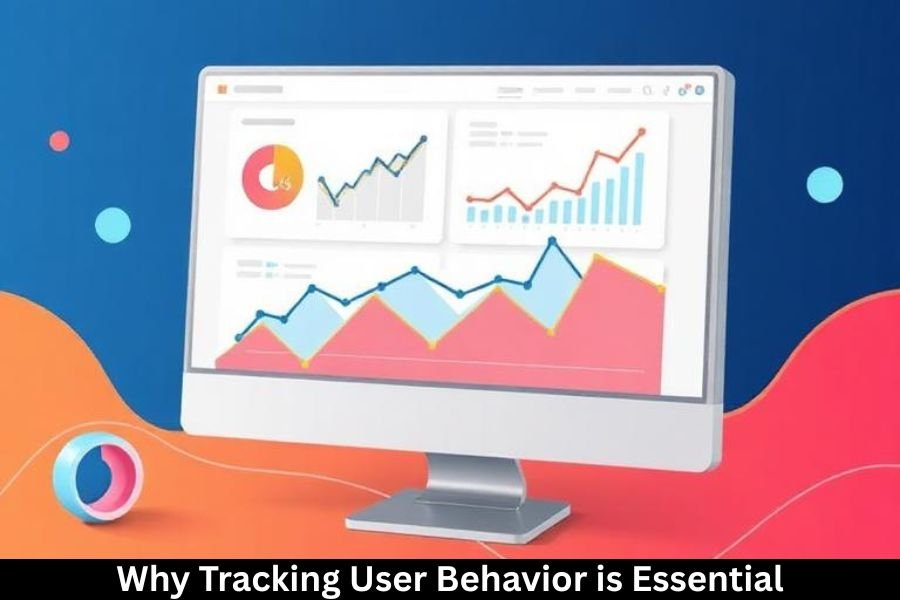
User behavior refers to how people interact with your website, app, or digital product. Every click, scroll, tap, and pause tells a story. It shows what users like, where they struggle, and why they leave. Think of user behavior as digital body language—it speaks even when users don’t.
Why Businesses Care About User Actions
Businesses care because user actions directly impact results. If users can’t find what they need, they leave. If they enjoy the experience, they stay, engage, and convert. Tracking behavior turns guesswork into clarity.
Understanding User Behavior Data
Types of User Behavior Data
On-Site Behavior
This includes page views, clicks, scroll depth, time on page, and navigation paths. It shows how users move through your platform.
Off-Site Behavior
Off-site data includes traffic sources, referral links, and interactions from ads or social media. It explains how users arrive in the first place.
Quantitative vs Qualitative Data
Numbers tell you what happened. Qualitative insights explain why. Surveys, feedback, and recordings add context to raw data.
The Role of User Behavior in Digital Strategy
Aligning Business Goals with User Needs
When you understand user behavior, your strategy becomes user-focused. Instead of pushing what you think works, you deliver what users actually want.
Data-Driven Decision Making
Tracking behavior replaces opinions with evidence. Decisions backed by data are faster, smarter, and more effective.
How Tracking User Behavior Improves User Experience
Identifying Pain Points
Stuck forms, confusing navigation, slow pages—behavior data exposes friction points instantly.
Personalizing User Journeys
Personalization isn’t magic; it’s data. Tracking behavior allows you to tailor content, layouts, and offers to individual users.
User Behavior and Conversion Rate Optimization
Understanding the Conversion Funnel
Behavior tracking shows where users drop off in the funnel. Awareness, interest, decision, action—every stage matters.
Reducing Drop-Off Rates
Small changes based on behavior insights—like clearer buttons or shorter forms—can significantly boost conversions.
Importance of User Behavior in Marketing
Audience Segmentation
Not all users are the same. Behavior data helps segment users based on actions, interests, and intent.
Targeted Campaigns and Messaging
When you know what users care about, your messaging becomes relevant instead of annoying.
Tracking User Behavior for Product Development
Feature Usage Insights
Which features are loved and which are ignored? Behavior data answers that instantly.
Validating Product Ideas
Before building something new, behavior insights help validate whether users actually need it.
User Behavior Analytics Tools
Common Tools for Tracking Behavior
Analytics platforms, heatmap tools, and feedback widgets all play a role in understanding users.
Choosing the Right Analytics Platform
The best tool is one that matches your goals, scales with growth, and respects user privacy.
Heatmaps, Session Recordings, and Click Tracking
What Heatmaps Reveal
Heatmaps show where users click, scroll, and focus their attention. It’s like seeing your site through their eyes.
Benefits of Session Recordings
Session recordings reveal real user journeys, highlighting confusion and frustration moments.
User Behavior Tracking and SEO
Bounce Rate and Engagement Metrics
Search engines care about engagement. Behavior metrics influence rankings more than many realize.
Improving Content Performance
Understanding which content keeps users engaged helps you create more of what works.
Ethical Considerations and User Privacy
Transparency and Consent
Users deserve to know how their data is used. Transparency builds trust.
Data Protection Best Practices
Secure storage, anonymization, and compliance are non-negotiable in modern tracking.
Challenges in Tracking User Behavior
Data Overload
Too much data can overwhelm teams. Focus on metrics that align with goals.
Misinterpreting User Data
Numbers without context can mislead. Always pair data with user intent.
Turning User Data into Actionable Insights
Analyzing Patterns and Trends
Look for repeated behaviors, not one-off actions. Patterns reveal opportunities.
Testing and Optimization
A/B testing turns insights into improvements. Test, learn, and iterate continuously.
Future of User Behavior Tracking
AI and Predictive Analytics
AI will predict behavior before it happens, enabling proactive optimization.
Cookieless Tracking and New Technologies
Privacy-focused tracking methods are shaping the future of analytics.
Conclusion
Tracking user behavior is no longer optional—it’s essential. It helps businesses understand users, improve experiences, boost conversions, and stay competitive. When you listen to what users do, not just what they say, you unlock smarter decisions and sustainable growth. In the digital world, behavior is the most honest feedback you’ll ever get.
FAQs
1. What is user behavior tracking?
It’s the process of analyzing how users interact with digital platforms.
2. Why is tracking user behavior important?
It improves user experience, conversions, and decision-making.
3. Is user behavior tracking ethical?
Yes, when done transparently and with proper consent.
4. What tools are used for tracking user behavior?
Analytics platforms, heatmaps, and session recording tools.
5. Can small businesses benefit from user behavior tracking?
Absolutely. Even basic insights can drive big improvements.