Burnout doesn’t happen overnight. It creeps in quietly, like a phone battery draining in the background while you’re still scrolling, working, and pushing forward. One day, you wake up exhausted—not just tired, but deeply worn out—and wonder, “What happened to my motivation?” If that sounds familiar, you’re not alone.
Burnout is becoming one of the biggest mental health challenges of modern life. The good news? Recovery is possible. Let’s break it down, honestly and simply.
Understanding Burnout
What Is Burnout?
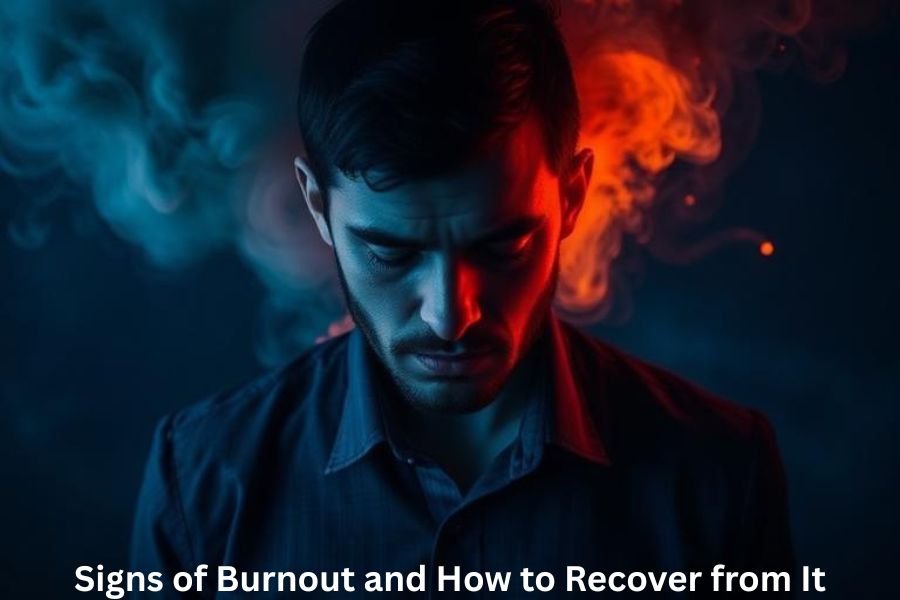
Burnout is a state of emotional, mental, and physical exhaustion caused by prolonged stress. It’s what happens when you keep giving without refilling your cup. Unlike a bad day or a stressful week, burnout lingers. It sticks around and affects how you think, feel, and function.
Burnout vs. Everyday Stress
Stress says, “I have too much to do.”
Burnout says, “I don’t care anymore.”
Stress can motivate you. Burnout drains you. When stress is temporary, burnout is chronic. That’s the key difference.
Why Burnout Is More Common Than Ever
We live in a hustle culture that glorifies being busy. Notifications never stop. Work follows us home. Rest feels “earned” instead of necessary. Over time, this constant pressure wears us down—mentally and emotionally.
The Root Causes of Burnout
Workplace Pressure and Overload
Long hours, unrealistic deadlines, lack of control, and poor work-life balance are major burnout triggers. When effort goes unrecognized and expectations keep rising, exhaustion becomes inevitable.
Emotional Burnout in Personal Life
Caregiving, relationship struggles, financial stress, and emotional labor can drain you just as much as work. Always being the “strong one” comes at a cost.
Digital Fatigue and Always-On Culture
Being reachable 24/7 doesn’t give your brain time to recover.
Social Media and Mental Exhaustion
Endless scrolling, comparison, and information overload quietly increase anxiety and mental fatigue. Your mind was never designed to process this much, this fast.
Early Warning Signs of Burnout
Physical Signs You Shouldn’t Ignore
- Constant tiredness
- Frequent headaches
- Muscle tension
- Changes in appetite
- Getting sick more often
Your body whispers before it screams.
Emotional and Mental Red Flags
- Feeling overwhelmed by small tasks
- Irritability and mood swings
- Anxiety or numbness
- Lack of joy in things you once loved
Behavioral Changes That Signal Trouble
- Procrastination
- Withdrawing from others
- Increased reliance on caffeine, sugar, or alcohol
- Avoiding responsibilities
Advanced Symptoms of Burnout
Chronic Fatigue and Sleep Issues
Even after sleeping, you still feel exhausted. Your mind races at night, replaying worries and unfinished tasks.
Loss of Motivation and Purpose
You stop caring—not because you’re lazy, but because you’re depleted. Goals that once excited you now feel meaningless.
Detachment, Cynicism, and Isolation
You feel emotionally distant from work, people, and even yourself. It’s a defense mechanism—your mind trying to protect you.
How Burnout Affects Your Life
Impact on Career and Productivity
Burnout reduces focus, creativity, and performance. Ironically, pushing harder often leads to doing less.
Effects on Relationships
When you’re burned out, patience runs thin. You may snap at loved ones or withdraw completely, creating emotional distance.
Long-Term Health Consequences
Unchecked burnout can contribute to anxiety, depression, heart issues, and weakened immunity. It’s not “just in your head.”
How to Recover from Burnout
Step One – Acknowledge the Burnout
Recovery starts with honesty. Admit you’re burned out without shame. You’re not failing—you’re human.
Step Two – Rest Without Guilt
Real rest isn’t scrolling or binge-watching while feeling guilty. It’s intentional downtime that allows your nervous system to reset.
Step Three – Reset Your Boundaries
Burnout often comes from giving too much for too long.
Learning to Say No
Saying no isn’t selfish—it’s self-respect. Every “no” to what drains you is a “yes” to your health.
Mental and Emotional Recovery Strategies
Journaling for Emotional Release
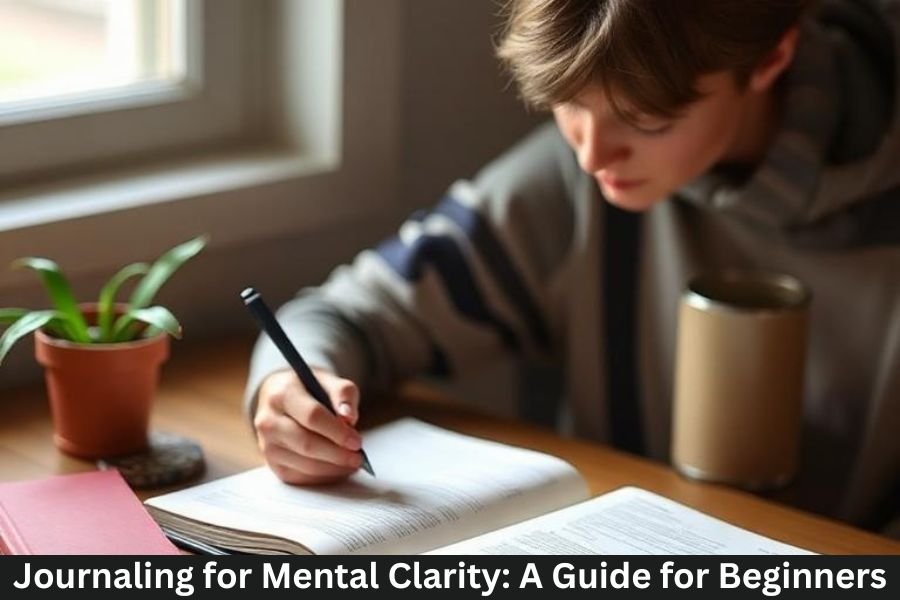
Writing helps untangle mental clutter. You don’t need perfect words—just honesty. Think of journaling as a brain dump for your soul.
Mindfulness and Stress Reduction
Even five minutes of deep breathing or quiet awareness can calm your nervous system. Small moments matter.
Reconnecting with What Matters
Burnout disconnects you from purpose. Revisit hobbies, values, and people that make you feel alive again.
Physical Recovery from Burnout
Sleep as a Healing Tool
Sleep isn’t optional—it’s foundational. Create a calming bedtime routine and protect your rest like it’s an appointment.
Nutrition and Energy Restoration
Fuel your body with real food. Skipping meals and living on caffeine only deepens exhaustion.
Gentle Movement and Exercise
You don’t need intense workouts. Walking, stretching, or yoga can help release stress and restore energy.
Preventing Burnout in the Future
Building a Sustainable Routine
Design your days with balance in mind. Productivity should support your life—not consume it.
Digital Detox and Screen Boundaries
Schedule tech-free time. Your brain needs silence to recover and create.
Creating Work-Life Balance That Lasts
Balance isn’t about perfection. It’s about checking in with yourself regularly and adjusting when needed.
When to Seek Professional Help
Therapy and Counseling
A therapist can help you unpack stress, set boundaries, and rebuild emotional resilience.
Medical Support When Needed
If burnout is affecting your physical or mental health severely, professional medical support is essential—and nothing to be ashamed of.
Burnout Recovery Is a Journey
Progress Over Perfection
Healing isn’t linear. Some days will feel better than others. That’s normal.
Redefining Success on Your Terms
Success doesn’t have to mean constant productivity. Sometimes, success is choosing rest, peace, and well-being.
Conclusion
Burnout is not a personal failure—it’s a signal. A signal that something needs to change. By recognizing the signs early, setting healthier boundaries, and prioritizing recovery, you can regain clarity, energy, and joy. Remember, you’re not meant to run on empty. You’re meant to live well.
FAQs
1. How long does burnout recovery take?
Recovery varies. Some people feel better in weeks, others need months. Consistency matters more than speed.
2. Can burnout happen even if I love my job?
Yes. Passion without boundaries can still lead to burnout.
3. Is burnout the same as depression?
No, but they can overlap. Burnout is stress-related, while depression is a medical condition.
4. Can taking a break really help burnout?
Yes—if it includes true rest and lifestyle changes, not just time off.
5. How can I prevent burnout from returning?
Set boundaries, prioritize rest, check in with yourself regularly, and adjust before exhaustion builds up again.