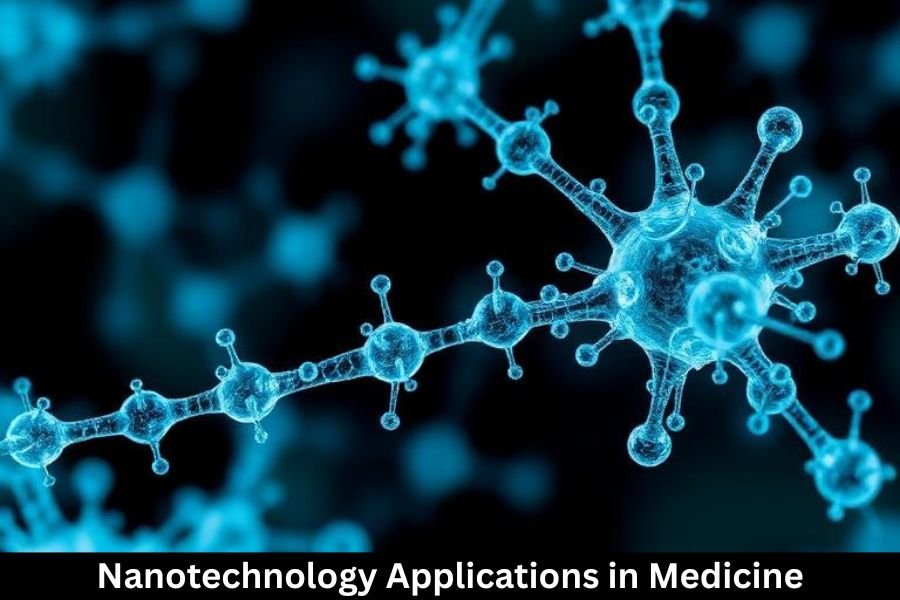
Medicine is changing fast, and nanotechnology is one of the biggest reasons why. Imagine doctors treating diseases not just at the organ level, but at the cellular and even molecular level. That’s exactly what nanotechnology applications in medicine are making possible.
What Is Nanotechnology?
Nanotechnology deals with materials and devices that are incredibly small—so small that they’re measured in nanometers. To put that into perspective, a nanometer is one-billionth of a meter. At this scale, materials behave differently, unlocking powerful medical possibilities.
Why Medicine Needs Nanotechnology
Traditional treatments often take a “one-size-fits-all” approach. Nanotechnology brings precision. It helps doctors target specific cells, reduce side effects, and detect diseases earlier than ever before.
How Nanotechnology Works at the Nanoscale
Understanding how nanotechnology works is like entering a hidden universe.
Understanding the Nanoscale World
At the nanoscale, particles interact directly with cells, proteins, and DNA. This allows medical treatments to work more efficiently and accurately.
Nanoparticles and Their Unique Properties
Nanoparticles can be engineered to be magnetic, fluorescent, or reactive to specific biological signals. These properties make them ideal tools for diagnosis and treatment.
Nanotechnology in Drug Delivery Systems
One of the most impactful uses of nanotechnology in medicine is drug delivery.
Targeted Drug Delivery
Nanocarriers transport drugs directly to diseased cells, like guided missiles hitting a precise target. This means less damage to healthy tissue.
Reducing Side Effects with Precision Medicine
Because drugs go exactly where they’re needed, patients experience fewer side effects. Chemotherapy is a major example where this makes a huge difference.
Controlled and Sustained Drug Release
Nanoparticles can release medication slowly over time, maintaining consistent drug levels and improving treatment outcomes.
Nanotechnology in Cancer Treatment
Cancer treatment has entered a smarter era.
Nanoparticles for Chemotherapy
Nano-based chemotherapy delivers cancer drugs directly into tumor cells, increasing effectiveness while minimizing harm.
Destroying Cancer Cells Without Harming Healthy Tissue
Some nanoparticles heat up or release toxins only when they reach cancer cells, sparing healthy ones.
Early Cancer Detection Using Nanotech
Nanotechnology can detect cancer biomarkers at extremely early stages, sometimes before symptoms appear.
Diagnostic Applications of Nanotechnology
Faster diagnosis saves lives.
Nano-Based Imaging Techniques
Nanoparticles enhance imaging tools like MRI and CT scans, producing clearer and more detailed images.
Faster and More Accurate Diagnosis
Diseases can be identified earlier, leading to quicker treatment and better recovery rates.
Lab-on-a-Chip Technology
These tiny devices perform multiple lab tests on a single chip, using only a drop of blood or saliva.
Nanotechnology in Regenerative Medicine
Healing is getting a technological upgrade.
Tissue Engineering with Nanomaterials
Nanofibers mimic natural tissue structure, helping the body repair damaged organs.
Healing and Repair at the Cellular Level
Nanomaterials guide cell growth, accelerating healing and regeneration.
Stem Cell Therapy Enhancements
Nanotechnology improves how stem cells survive, grow, and integrate into tissues.
Nanotechnology in Medical Devices
Medical devices are becoming smarter and smaller.
Smart Implants and Sensors
Nano-enabled implants monitor conditions like glucose levels or heart rhythms in real time.
Real-Time Health Monitoring
Doctors receive instant data, allowing early intervention before problems become serious.
Wearable Nano-Enabled Devices
Wearables with nanotech sensors track vital signs with incredible accuracy.
Nanotechnology in Infection Control
Infections are getting tougher, but nanotechnology is tougher.
Antimicrobial Nanoparticles
Silver and other nanoparticles kill bacteria and viruses effectively.
Fighting Antibiotic Resistance
Nanotech offers new ways to fight resistant infections without traditional antibiotics.
Nano-Coated Medical Equipment
Medical tools coated with nanoparticles reduce infection risks in hospitals.
Nanotechnology in Vaccine Development
Vaccines are evolving too.
Nano-Adjuvants for Stronger Immunity
Nanoparticles boost immune response, making vaccines more effective.
Improved Vaccine Stability and Delivery
Nano-carriers protect vaccines and ensure they reach the right cells.
Rapid Vaccine Production
Nanotechnology speeds up development during global health emergencies.
Nanotechnology in Neurology
The brain is one of the hardest organs to treat.
Crossing the Blood-Brain Barrier
Nanoparticles can cross this barrier, delivering drugs directly to the brain.
Treating Brain Disorders with Nanocarriers
Conditions like Alzheimer’s and Parkinson’s may benefit greatly.
Brain Imaging and Diagnostics
Nano-enhanced imaging improves early detection of neurological disorders.
Nanotechnology in Cardiovascular Medicine
Heart health is getting a nano-boost.
Nano-Based Drug Delivery for Heart Diseases
Targeted delivery prevents damage to healthy blood vessels.
Preventing Artery Blockages
Nanoparticles can break down plaque buildup in arteries.
Early Detection of Heart Conditions
Nano-sensors detect heart disease markers early.
Nanotechnology in Personalized Medicine
Healthcare is becoming personal.
Customized Treatment Plans
Nanotechnology allows treatments tailored to individual patients.
Genetic-Level Precision
Drugs can be designed based on genetic profiles.
Predictive and Preventive Healthcare
Doctors can predict risks before illness develops.
Safety, Ethics, and Challenges
Innovation comes with responsibility.
Potential Risks of Nanotechnology
Long-term effects are still being studied.
Ethical and Regulatory Concerns
Strict guidelines ensure safe and ethical use.
Long-Term Safety Studies
Ongoing research focuses on minimizing risks.
Future of Nanotechnology in Medicine
The future looks microscopic—and powerful.
Emerging Trends and Innovations
Nanorobots may one day repair cells directly.
Nanorobots and Smart Therapies
These could patrol the body like tiny doctors.
What the Next Decade Looks Like
Expect faster treatments, earlier diagnoses, and smarter healthcare.
Conclusion
Nanotechnology applications in medicine are transforming healthcare from the inside out. By working at the smallest scale imaginable, nanotechnology enables precise treatments, early diagnoses, and innovative therapies that were once impossible. As research advances, this tiny technology is set to make a massive impact on human health.
FAQs
1. What is nanotechnology in medicine?
It involves using nanoscale materials for diagnosis, treatment, and prevention of diseases.
2. Is nanotechnology safe for medical use?
Yes, but it undergoes strict testing and regulation to ensure safety.
3. How does nanotechnology help cancer treatment?
It targets cancer cells directly, reducing harm to healthy cells.
4. Can nanotechnology improve drug delivery?
Absolutely. It allows precise, controlled, and efficient drug delivery.
5. What is the future of nanomedicine?
Smarter treatments, personalized medicine, and advanced disease prevention.