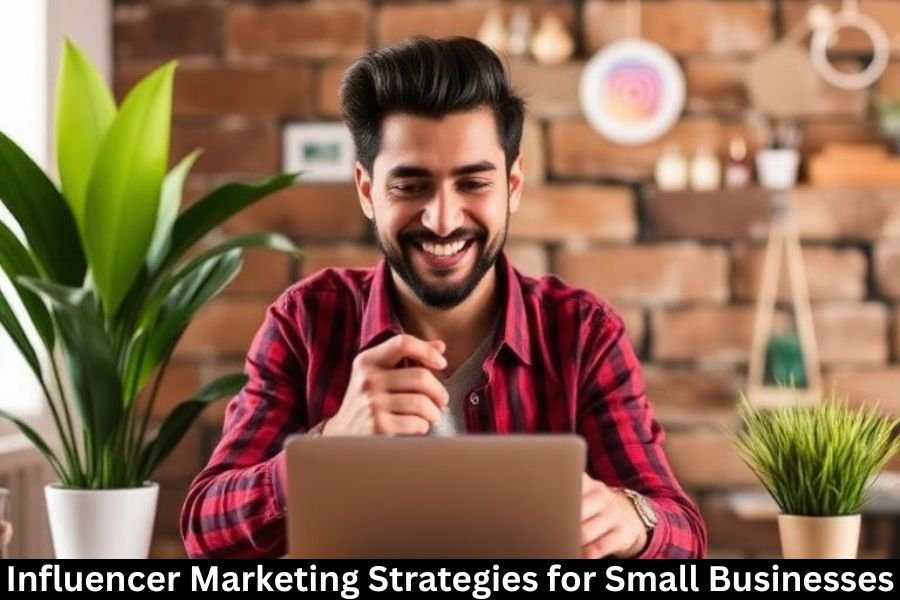
Influencer marketing is a strategy where brands collaborate with individuals who have a significant online following to promote products or services. Unlike traditional ads, influencers build trust with their audience, making their recommendations feel personal and authentic. Think of it as a friend suggesting a product you’ll probably love—it’s persuasive because it comes from someone you trust.
Why Influencer Marketing Works
The Power of Trust and Authenticity
People are more likely to act on recommendations from someone they trust rather than a brand advertisement. Influencers establish authenticity by sharing real experiences, which creates a connection with their followers.
Leveraging Social Proof
Social proof is psychological—if others like a product, you’re more likely to try it. Influencers provide visible evidence through likes, comments, and shares, boosting brand credibility.
Types of Influencers
Mega-Influencers
Celebrities with millions of followers. High reach but often less engagement per follower.
Macro-Influencers
Experts or well-known personalities with 100k–1M followers. Balanced reach and engagement.
Micro-Influencers
10k–100k followers. Highly engaged audience, great for niche targeting.
Nano-Influencers
1k–10k followers. Small audience but extremely loyal and trustworthy.
Benefits of Influencer Marketing for Brands
Increased Brand Awareness
Influencers expose your brand to a wide audience, boosting visibility quickly.
Higher Engagement Rates
Smaller influencers often deliver higher engagement, creating more meaningful interactions.
Boosted Sales and Conversions
A well-targeted influencer campaign can directly drive traffic and sales.
How to Identify the Right Influencers
Aligning Values and Audience
Choose influencers whose values align with your brand. Their audience should overlap with your target market.
Checking Engagement Metrics
Don’t just focus on follower count. Look at likes, comments, shares, and audience authenticity.
Tools for Finding Influencers
- Upfluence
- AspireIQ
- HypeAuditor
- Social Blade
These tools help identify and vet potential collaborators.
Building an Influencer Marketing Strategy
Setting Clear Goals
Define whether you want to increase brand awareness, drive sales, or grow your social following.
Budget Planning
Determine how much to spend on influencer fees, content production, and promotion.
Campaign Timelines
Plan content schedules, posting frequency, and campaign duration for maximum impact.
Content Collaboration with Influencers
Sponsored Posts and Stories
Influencers create posts featuring your product or service in an organic way.
Product Reviews
Honest reviews build trust and can drive conversion.
Giveaways and Contests
Interactive campaigns increase engagement and brand excitement.
Measuring Influencer Marketing Success
Key Performance Indicators (KPIs)
- Engagement rates
- Click-through rates (CTR)
- Conversion rates
- Reach and impressions
Tracking ROI
Use analytics tools to monitor campaign performance and calculate return on investment.
Common Mistakes in Influencer Marketing
Choosing the Wrong Influencers
High follower count doesn’t equal relevance. Misalignment can hurt your brand.
Ignoring Engagement Quality
Fake followers or low interaction can reduce campaign effectiveness.
Lack of Clear Guidelines
Without clear expectations, content may not align with your brand’s message.
Influencer Marketing Platforms and Tools
Platforms help brands connect with influencers, manage campaigns, and track results. Popular options include:
- Traackr
- Influencity
- Klear
- Tagger
These tools simplify the process and provide data-driven insights.
Legal and Ethical Considerations
FTC Guidelines and Disclosures
Influencers must disclose sponsored content. Transparency is essential to maintain trust.
Avoiding Misleading Claims
Ensure product claims are accurate to prevent legal and reputational risks.
Influencer Marketing Trends in 2025
Video and Short-Form Content
TikTok, Instagram Reels, and YouTube Shorts dominate engagement today.
Authenticity Over Follower Count
Audiences prefer relatable, honest influencers over celebrities with huge followings.
Micro and Nano Influencer Growth
Smaller influencers continue to gain popularity due to higher engagement rates.
Case Studies: Successful Influencer Campaigns
Brands like Gymshark, Daniel Wellington, and Glossier have built massive communities through influencer marketing, showing the power of the strategy when executed correctly.
Future of Influencer Marketing
The future is data-driven, personalized, and authenticity-focused. AI-powered analytics will help brands identify the right influencers, and interactive content will dominate engagement.
Conclusion
Influencer marketing is a dynamic and effective strategy to boost brand visibility, engagement, and sales. Success comes from choosing the right influencers, creating authentic content, and measuring performance. Brands that embrace transparency and foster genuine relationships will thrive in the ever-evolving influencer landscape.
Frequently Asked Questions
1. What is influencer marketing?
It’s a marketing strategy where brands collaborate with online personalities to promote products.
2. Do I need a big budget for influencer marketing?
No, micro and nano influencers can deliver strong results on smaller budgets.
3. How do I measure influencer marketing success?
Use KPIs like engagement, CTR, conversions, and ROI.
4. Are influencer collaborations worth it?
Yes, if you choose relevant influencers and align with your brand goals.
5. How can beginners get started with influencer marketing?
Start by identifying your niche, selecting relevant influencers, and planning a small pilot campaign.