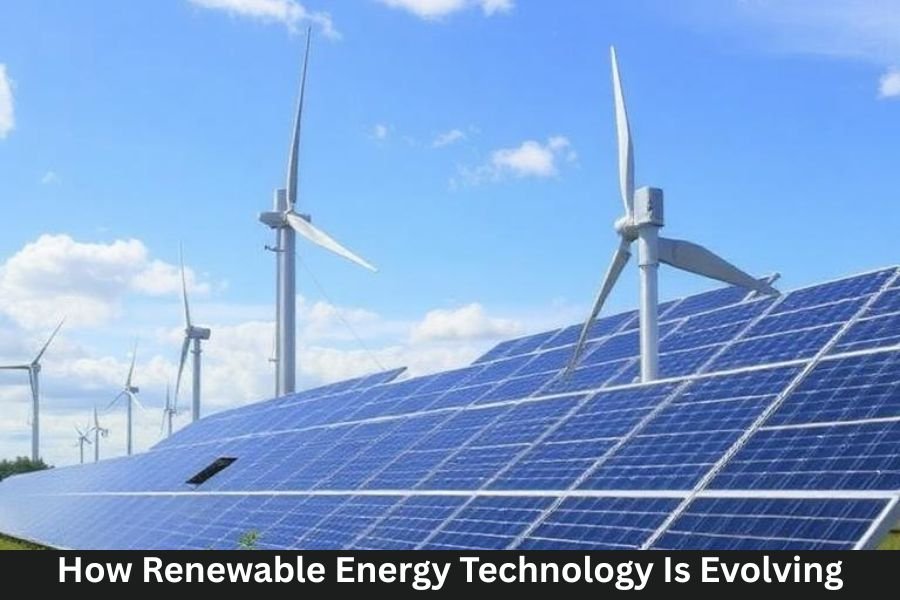
Renewable energy isn’t just a buzzword anymore—it’s a full-blown revolution. Not too long ago, clean energy felt like a “nice-to-have” idea for the future. Today, it’s becoming the backbone of how the world produces power. And the real star of this transformation? Technology.
Renewable energy technology is evolving faster than ever, turning sunlight, wind, water, and heat from the Earth into reliable, affordable electricity. Let’s break down how this evolution is happening and why it’s changing everything.
Why Renewable Energy Technology Matters More Than Ever
The world’s energy demand keeps growing, but our planet isn’t getting any bigger. Fossil fuels are limited, polluting, and unpredictable in price. Renewable energy technology offers a smarter alternative—clean, sustainable, and increasingly efficient.
For students, innovators, and future leaders, understanding this evolution is like getting a sneak peek into tomorrow’s world 🌍.
From Traditional Power to Clean Energy Innovation
Traditional energy systems were centralized, rigid, and slow to adapt. Renewable energy flips that script. It’s flexible, decentralized, and constantly improving thanks to technology. Innovation is the fuel pushing clean energy forward.
What Is Renewable Energy Technology?
Definition and Core Concepts
Renewable energy technology refers to tools, systems, and innovations that convert natural resources—like sunlight, wind, and water—into usable energy without depleting them.
Key Differences from Fossil Fuel Technologies
Unlike fossil fuels, renewable technologies:
- Don’t run out
- Produce little to no pollution
- Improve with innovation rather than depletion
It’s like switching from burning candles to using rechargeable LED lights—cleaner, smarter, and future-proof.
A Brief History of Renewable Energy Development
Renewable energy isn’t new. Humans used wind for sailing and water for mills centuries ago. What’s new is how advanced and efficient the technology has become. Modern computing, materials science, and artificial intelligence have completely reshaped renewable energy.
Evolution of Solar Energy Technology
Early Solar Panels vs Modern Solar Systems
Early solar panels were bulky, expensive, and inefficient. They worked—but barely. Modern solar panels are sleek, powerful, and far more affordable.
Advancements in Solar Panel Efficiency
Thanks to better materials and engineering, today’s panels convert more sunlight into electricity than ever before. Efficiency keeps climbing, year after year.
Thin-Film and Flexible Solar Panels
Solar panels are no longer just heavy glass slabs. Thin-film and flexible panels can now be placed on:
- Rooftops
- Vehicles
- Backpacks
- Building walls
Solar power is becoming portable and adaptable.
Perovskite Solar Cells and the Future of Solar
Perovskite solar cells are a game-changer. They’re cheaper to make, lightweight, and highly efficient. While still developing, they could soon outperform traditional silicon panels.
Wind Energy Technology: Then and Now
Traditional Windmills to Smart Wind Turbines
Old windmills were simple mechanical machines. Modern wind turbines are high-tech giants equipped with sensors, software, and automation.
Offshore Wind Farms
Wind over oceans is stronger and more consistent. Offshore wind farms take advantage of this, producing massive amounts of clean energy.
Floating Wind Turbine Technology
Floating turbines allow wind farms to be placed in deeper waters, opening up vast new areas for energy generation.
AI and Data in Wind Energy Optimization
Artificial intelligence helps turbines adjust blade angles, predict maintenance needs, and maximize energy output. Wind energy is getting smarter by the day 🤖.
Hydropower Technology Advancements
Conventional Dams vs Modern Hydropower
Traditional dams were effective but often harmful to ecosystems. Modern hydropower focuses on balance—energy production with environmental protection.
Small-Scale and Micro Hydropower Systems
Not every river needs a massive dam. Micro hydropower systems generate electricity for small communities with minimal impact.
Environmental Improvements in Hydropower
New designs include fish-friendly turbines and improved water flow systems that reduce ecological disruption.
The Rise of Energy Storage Technologies
Why Energy Storage Is Essential
Renewable energy sources like solar and wind don’t produce power 24/7. Storage bridges that gap, ensuring electricity is available when needed.
Evolution of Battery Technology
Early batteries were heavy and short-lived. Today’s batteries are lighter, stronger, and longer-lasting.
Lithium-Ion Batteries and Beyond
Lithium-ion batteries power everything from phones to electric vehicles. They’ve become the standard for renewable energy storage.
Solid-State and Flow Batteries
Next-generation batteries promise:
- Faster charging
- Longer lifespan
- Greater safety
Energy storage is evolving just as fast as energy generation.
Smart Grids and Digital Energy Systems
What Is a Smart Grid?
A smart grid uses digital technology to manage electricity efficiently. It adapts in real time, reducing waste and preventing outages.
Role of AI and IoT in Energy Management
Smart sensors and AI analyze energy use patterns, helping utilities deliver power exactly where it’s needed.
Improving Energy Efficiency with Digital Tools
Smart meters, apps, and dashboards let users track and reduce their energy consumption—knowledge is power ⚡.
Emerging Renewable Energy Technologies
Green Hydrogen Technology
Green hydrogen uses renewable energy to produce hydrogen fuel with zero emissions. It’s especially promising for heavy industries.
Ocean and Tidal Energy Innovations
The ocean is a massive energy source. New technologies capture power from waves and tides reliably and predictably.
Geothermal Energy Advancements
Modern geothermal systems can generate power in more locations, not just volcanic regions.
How Renewable Energy Is Becoming More Affordable
Technology drives costs down. As production scales up and efficiency improves, renewable energy becomes cheaper than fossil fuels in many regions.
Impact of Government Policies and Innovation
Supportive policies, research funding, and international cooperation accelerate technological progress and adoption.
Renewable Energy and the Future Job Market
As technology evolves, so do careers. Renewable energy creates jobs in engineering, data science, construction, and research.
Challenges in Evolving Renewable Energy Technologies
Despite progress, challenges remain:
- Storage limitations
- Infrastructure upgrades
- Initial investment costs
But innovation continues to chip away at these obstacles.
The Future of Renewable Energy Technology
The future looks bright ☀️. Expect:
- Smarter systems
- Better storage
- Cleaner production
- Wider global access
Renewable energy technology isn’t slowing down—it’s accelerating.
Conclusion
Renewable energy technology is evolving from an alternative option into the foundation of the global energy system. With advancements in solar, wind, storage, and digital systems, clean energy is becoming smarter, cheaper, and more reliable. This evolution isn’t just about technology—it’s about creating a sustainable future for generations to come.
Frequently Asked Questions (FAQs)
1. Why is renewable energy technology evolving so fast?
Because of climate needs, innovation, and global energy demand.
2. Which renewable technology is growing the fastest?
Solar and wind energy are leading the growth.
3. Is renewable energy reliable without sunlight or wind?
Yes, thanks to advanced energy storage and smart grids.
4. Will renewable energy replace fossil fuels completely?
It’s heading in that direction, but the transition takes time.
5. How can students prepare for careers in renewable energy?
Study science, technology, and sustainability-related fields.