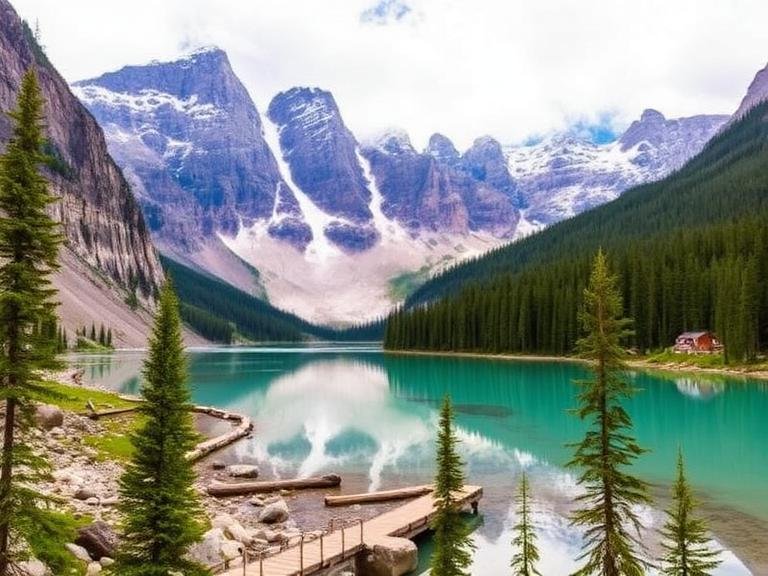
Banff is one of those rare places that feels like a postcard that somehow came alive. Nestled in the heart of the Canadian Rockies travel experience, it offers a mix of turquoise lakes, snow-capped mountains, and cozy mountain-town charm that makes even a short trip feel unforgettable. Whether you’re planning a Banff weekend itinerary, a quick escape from Calgary, or a full Banff mini vacation, this destination packs an incredible amount into a small area.
What makes Banff especially attractive is how accessible it is. In just about 1.5 hours from Calgary, you can shift from city roads to dramatic alpine landscapes filled with wildlife, rivers, and towering peaks. Once you arrive, everything feels close yet endlessly scenic. Even a 24 hours in Banff itinerary can include waterfalls, hot springs, chairlift rides, and lakes that look unreal.
This guide is designed for travelers who want a practical yet immersive experience. You’ll find structured day plans, transportation advice, and must-see Banff attractions that make every hour count. Think of this as your Banff exploration guide, built for real travelers who want both efficiency and adventure without missing the magic of the Rockies.
Best Time to Visit Banff for a Weekend Trip
Timing your Banff travel plan is everything. Each season transforms the landscape completely, almost like the region is wearing a different outfit. Summer (June to September) is the most popular period, when lakes like Louise and Moraine turn a bright turquoise and hiking trails open fully. This is peak season for outdoor adventure travel Canada, so expect crowds but also full access to viewpoints and activities.
Winter, on the other hand, feels like stepping into a snow globe. Frozen waterfalls, snowy forests, and ski resorts like Mount Norquay create a completely different experience. It’s perfect for those seeking a winter travel Canada mountain getaway, especially if you enjoy skiing or hot springs in freezing air.
Spring and fall are quieter and more budget-friendly, though some attractions may be limited due to snow or closures. Wildlife sightings are more common during these shoulder seasons, making it ideal for photography lovers.
No matter when you visit, Banff delivers. The key is aligning your expectations with the season. If you want lakes and hiking, go summer. If you want cozy snow and fewer tourists, winter wins. Your Banff sightseeing plan should always reflect seasonal reality.
How to Get from Calgary to Banff
Most travelers begin their journey with a Calgary to Banff trip, which is surprisingly simple. The drive is around 1.5 hours via the Trans-Canada Highway, offering scenic mountain views almost immediately after leaving the city. It’s one of the most scenic entry points into the Alberta Rockies itinerary, and many people consider it part of the experience itself.
If you’re not renting a car, there are multiple shuttle services that run daily. These include airport transfers and regional buses that connect directly to Banff town. According to recent travel updates, services like Banff Airporter and On-It Regional Transit are popular choices for budget-conscious travelers and eco-tourism supporters.
Once you arrive, you don’t actually need a vehicle. Banff is compact, and parking is extremely limited in peak months. Many visitors rely on walking or public transport instead. This is where ROAM Transit becomes essential, connecting key attractions like hot springs, lakes, and viewpoints.
So whether you’re planning a Banff day trip from Calgary or a full weekend stay, transportation is flexible. The journey is simple, but the views along the way are what truly set the tone for your adventure.
Essential Banff Travel Tips for First-Time Visitors
A successful Banff travel tips checklist can completely change your experience. First, understand that Banff is small but extremely busy. Parking fills quickly, especially in summer, so arriving early or using public transit is crucial. Many experienced travelers even recommend avoiding a car entirely.
Second, always check weather conditions before heading out. Mountain weather changes fast—sunshine can turn into rain or snow within hours. Layered clothing is your best friend here. Think of it as preparing for four seasons in one day.
Third, book attractions early. Places like the Banff Gondola and hot springs can get crowded. Planning ahead ensures you don’t miss out on key Banff attractions.
Finally, respect wildlife. Banff National Park is home to bears, elk, and mountain goats. Keeping distance is not just safety advice—it’s part of responsible eco-tourism Alberta.
These simple tips ensure your trip stays smooth and enjoyable. Banff rewards prepared travelers with unforgettable scenery and stress-free exploration.
Getting Around: ROAM Bus and Public Transport in Banff
One of the smartest ways to explore is using Banff public transport (ROAM bus Banff). This system connects most major attractions and eliminates the need for parking stress. Routes cover everything from downtown Banff to Lake Louise, hot springs, and scenic viewpoints.
The buses are comfortable, frequent, and designed specifically for tourists. They stop at key locations like Bow Falls, Banff Upper Hot Springs, and even Mount Norquay. For a Banff sightseeing plan, this makes everything incredibly convenient.
ROAM Transit also supports sustainable tourism by reducing traffic congestion in the national park. During peak season, this is a huge advantage because parking lots fill up early in the morning.
For visitors planning a Banff one day itinerary, the bus becomes a lifeline. You can easily hop between attractions without worrying about driving or navigation. It’s affordable, efficient, and environmentally friendly.
If you’re staying for a weekend, consider purchasing a day pass or multi-day pass. It allows flexibility and helps you move freely between attractions, making your Banff exploration guide much smoother.
Day 1 Itinerary: Exploring Banff Town
Your first day in Banff should focus on settling in and exploring the town itself. This is where your Banff weekend trip itinerary begins to unfold. Start with a walk along Banff Avenue, where shops, cafes, and mountain views create a perfect introduction.
Downtown Banff is small enough to explore on foot, yet filled with character. You’ll find local restaurants, souvenir shops, and viewpoints overlooking the surrounding peaks. This is also where you’ll start noticing the dramatic snow-capped mountains Banff is famous for.
In the afternoon, visit Bow Falls, a short walk or bus ride from town. It’s not the biggest waterfall in Canada, but its setting makes it special. The river rushing through rocky cliffs creates a peaceful yet powerful scene.
End your day with sunset views near the Bow River walking trails. The golden light reflecting off the mountains is unforgettable and sets the tone for the rest of your trip.
Bow Falls and Banff Sightseeing Highlights
Bow Falls is one of the easiest and most rewarding stops in Banff. It’s part of almost every Banff sightseeing plan because of its accessibility and scenic backdrop. Located just a short distance from downtown, it offers a quick but beautiful nature escape.
The waterfall itself may not be massive, but the surrounding scenery makes it feel cinematic. The Bow River flows calmly before dropping over rocky edges, framed by forests and mountains. It’s a great place for photography, short walks, and quiet reflection.
Nearby walking paths allow you to extend your visit along the river. These trails connect to other scenic viewpoints and offer opportunities to spot wildlife like birds and deer.
If you’re short on time, Bow Falls is ideal for a things to do in Banff in 24 hours list. It’s quick, beautiful, and doesn’t require any hiking experience. It’s the kind of place that reminds you why Banff is considered one of the most beautiful mountain towns in the world.
Banff Upper Hot Springs Experience
A visit to the Banff Upper Hot Springs is one of the most relaxing experiences in the entire region. Sitting at a high elevation, this natural thermal pool offers warm mineral water surrounded by panoramic mountain views.
The experience feels surreal. Imagine soaking in hot water while looking at snow-covered peaks—it’s both calming and visually stunning. This is one of the most recommended hot springs experience Banff activities for first-time visitors.
Facilities are well-maintained, and lockers, rentals, and changing areas are available. It’s accessible via ROAM Transit, making it easy to include in any Banff one day itinerary.
The water temperature stays warm year-round, making it a perfect stop even in winter when the surrounding landscape is covered in snow. It’s not just about relaxation; it’s about experiencing nature in a unique way.
For many travelers, this becomes the highlight of their Banff mini vacation, especially after a long day of sightseeing.
Mount Norquay Chairlift Adventure
Mount Norquay offers one of the most underrated experiences in Banff: a scenic chairlift ride. This is perfect for travelers looking for a scenic chairlift ride Canada experience without needing to ski or hike.
The ride takes you above tree lines, offering sweeping views of the valley, rivers, and surrounding peaks. It’s especially beautiful during summer when the landscape is lush green or in winter when everything is covered in snow.
This attraction is ideal for families, couples, or solo travelers who want a relaxed but visually rewarding activity. It’s also a great alternative for those who prefer not to hike but still want elevation views.
Mount Norquay is less crowded than other attractions, making it a peaceful addition to your Banff sightseeing plan. It pairs well with nearby stops like Bow Falls or hot springs.
For photography lovers, this is one of the best viewpoints in the entire Banff region.
Day 2 Itinerary: Lakes, Viewpoints, and Scenic Drives
Your second day should focus on Banff’s iconic lakes and viewpoints. This is the heart of any Banff weekend itinerary, featuring crystal-clear water, dramatic peaks, and unforgettable scenery.
Start early with Lake Louise, one of the most photographed places in Canada. The turquoise water surrounded by glaciers creates a surreal atmosphere. From here, you can continue toward Moraine Lake (seasonal access depending on shuttle availability).
These lakes define the essence of mountain views Alberta travel. They are not just attractions—they are experiences that stay with you long after your trip ends.
In the afternoon, explore nearby viewpoints along the Bow Valley Parkway. These scenic stops offer chances to see wildlife in Banff National Park, including elk and bears.
End your day with a relaxed drive or shuttle back to town, reflecting on one of the most visually stunning days of your trip.
Lake Louise and Moraine Lake Access Guide
Lake Louise and Moraine Lake are the crown jewels of Banff. They represent everything people imagine when thinking of the Alberta mountain getaway.
Lake Louise is accessible year-round and offers walking trails, canoe rentals, and breathtaking views of Victoria Glacier. Moraine Lake, however, is typically accessed via shuttle services during peak seasons due to traffic restrictions.
Both lakes are part of the essential Banff attractions list and are often featured in every travel itinerary. The best time to visit is early morning when light hits the water and crowds are minimal.
Photography here feels almost effortless because every angle looks perfect. It’s a dream location for nature lovers and one of the highlights of any Banff weekend trip itinerary.
Hiking in Banff National Park for Beginners
Hiking is a major part of the Banff experience, but it doesn’t have to be extreme. Many trails are beginner-friendly and still offer incredible views of the Rockies.
Popular routes include Tunnel Mountain and Johnston Canyon, both of which are accessible and well-marked. These trails allow you to experience hiking in Banff National Park without advanced skills.
Wildlife sightings are common, so staying aware of surroundings is important. Always carry water, wear proper footwear, and check trail conditions before heading out.
Even short hikes give you a deeper connection to the landscape. They transform your trip from sightseeing into true exploration.
Wildlife in Banff National Park
Banff is home to diverse wildlife, including bears, elk, deer, and mountain goats. Seeing animals in their natural habitat is one of the most memorable parts of visiting.
However, safety is essential. Keep distance, avoid feeding animals, and follow park guidelines. Wildlife encounters are common, especially along roads and hiking trails.
This natural ecosystem is a big part of why Banff is considered a top eco-tourism Alberta destination.
Must-See Banff Attractions
Banff is filled with must-see spots, including Bow Falls, Lake Louise, Moraine Lake, hot springs, and scenic viewpoints.
Each location offers a different perspective of the Rockies. Together, they create a complete Banff exploration guide that fits perfectly into a short trip.
Scenic Drives and Viewpoints in the Rockies
Scenic drives around Banff offer endless mountain views. The Bow Valley Parkway is especially popular for wildlife spotting and photography.
These drives are perfect for travelers looking for relaxed exploration instead of hiking.
Simple One Day Banff Itinerary
A Banff one day itinerary can include Bow Falls, hot springs, downtown Banff, and a chairlift ride. It’s fast-paced but achievable.
24 Hours in Banff Travel Plan
In 24 hours, focus on town exploration, one lake visit, and one relaxation activity like hot springs.
Weekend Extensions Beyond Banff
If you have more time, extend your trip to Jasper or Yoho National Park for even more dramatic scenery.
Budgeting and Travel Costs Tips
Banff can be expensive, but public transport and free trails help manage costs effectively.
Conclusion
Banff is more than a destination—it’s an experience packed into every moment. Even a short stay delivers unforgettable memories of mountains, lakes, and pure alpine air.
FAQs
1. How many days are enough for Banff?
2–3 days are ideal for a balanced experience.
2. Can Banff be done in one day?
Yes, but it will be fast-paced and selective.
3. Do I need a car in Banff?
Not necessarily. ROAM Transit covers most attractions.
4. What is the best time to visit Banff?
Summer for lakes, winter for snow experiences.
5. Is Banff expensive to visit?
It can be, but budget travel options exist.