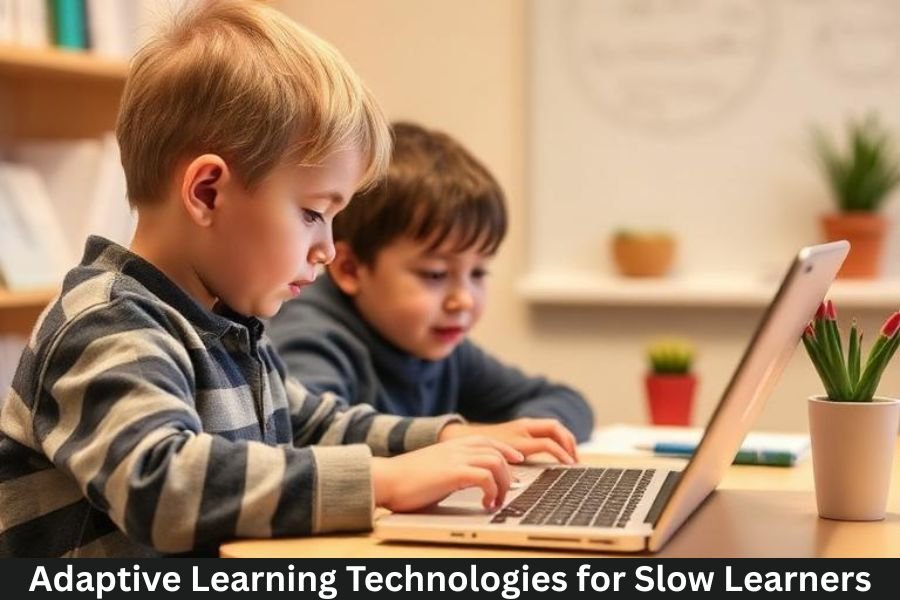
Education isn’t one-size-fits-all, and it never should be. Every learner is unique, especially slow learners who often struggle to keep up with traditional teaching methods. This is where adaptive learning technologies step in like a personal tutor who never gets tired.
What Is Adaptive Learning Technology?
Adaptive learning technology uses data, artificial intelligence, and analytics to customize learning experiences. It adjusts content, pace, and difficulty based on how a learner performs.
Why Slow Learners Need Adaptive Solutions
Slow learners don’t lack intelligence—they just need time and tailored support. Adaptive tools meet learners where they are, not where a syllabus expects them to be.
Understanding Slow Learners
Before solving a problem, you need to understand it.
Who Are Slow Learners?
Slow learners process information at a slower pace. They may need repetition, visual aids, or practical examples to fully grasp concepts.
Common Challenges Faced by Slow Learners
They often struggle with memory retention, attention span, and confidence, especially in competitive classrooms.
Learning Pace vs Intelligence
Learning speed doesn’t equal intelligence. Think of it like driving—some take highways, others scenic routes, but everyone reaches the destination.
The Role of Technology in Modern Education
Education has evolved, and technology is leading the charge.
Shift from Traditional to Personalized Learning
Chalk-and-talk methods don’t work for everyone. Personalized learning puts the student at the center.
How Technology Bridges Learning Gaps
Technology provides instant feedback, visual explanations, and practice opportunities tailored to individual needs.
The Rise of EdTech Solutions
EdTech platforms are reshaping education by focusing on outcomes, not just content delivery.
How Adaptive Learning Works
Adaptive learning is smart, responsive, and learner-focused.
Data-Driven Learning Paths
The system tracks performance and adjusts lessons accordingly, like a GPS recalculating routes.
Real-Time Feedback Mechanisms
Immediate feedback helps learners correct mistakes before they become habits.
Continuous Assessment Models
Assessment isn’t a final exam—it’s an ongoing process.
Key Features of Adaptive Learning Technologies
These tools are designed with flexibility in mind.
Personalized Content Delivery
Lessons adapt based on strengths and weaknesses.
Self-Paced Learning
Learners move forward only when they’re ready.
Intelligent Analytics and Reporting
Teachers and parents get clear insights into progress.
Benefits of Adaptive Learning for Slow Learners
The impact goes beyond academics.
Improved Confidence and Motivation
Success builds confidence, and confidence fuels motivation.
Better Knowledge Retention
Learning at the right pace improves memory and understanding.
Reduced Learning Anxiety
No pressure, no comparison—just progress.
Types of Adaptive Learning Tools
Different tools serve different needs.
AI-Powered Learning Platforms
These platforms personalize lessons using machine learning.
Gamified Learning Applications
Games make learning fun and engaging.
Learning Management Systems (LMS)
LMS platforms integrate adaptive features for structured learning.
Adaptive Learning in Classrooms
Technology doesn’t replace teachers—it empowers them.
Teacher and Technology Collaboration
Teachers guide while technology supports.
Blended Learning Models
Combining digital tools with classroom teaching works best.
Supporting Inclusive Education
Adaptive learning ensures no student is left behind.
Adaptive Learning for Online Education
Online learning becomes effective when it’s personalized.
Personalized Online Courses
Courses adapt to learner performance in real time.
Microlearning for Better Understanding
Small lessons reduce overload.
Anytime, Anywhere Learning
Learning fits into the learner’s lifestyle.
Role of Artificial Intelligence in Adaptive Learning
AI is the brain behind personalization.
Machine Learning Algorithms
They analyze patterns and predict learning needs.
Predictive Learning Insights
AI identifies struggles before they become setbacks.
Smart Content Recommendations
The right content appears at the right time.
Challenges in Implementing Adaptive Learning
No system is perfect.
Cost and Infrastructure Issues
Technology requires investment.
Teacher Training and Adoption
Teachers need support to use tools effectively.
Data Privacy Concerns
Student data must be protected.
Best Practices for Using Adaptive Learning Technologies
Success depends on how tools are used.
Setting Realistic Learning Goals
Small goals lead to big wins.
Monitoring Progress Regularly
Consistent monitoring ensures steady improvement.
Combining Human Support with Technology
Technology works best with human guidance.
Case Studies and Real-Life Applications
Real-world results prove effectiveness.
Schools Using Adaptive Learning Successfully
Many schools report improved performance and engagement.
Impact on Academic Performance
Students show better understanding and confidence.
Long-Term Learning Outcomes
Skills last beyond exams.
Future of Adaptive Learning Technologies
The future looks promising.
Personalized Education at Scale
Customization will reach millions.
Integration with Emerging Technologies
AR, VR, and AI will enhance learning.
Lifelong Learning Opportunities
Learning won’t stop at school.
Common Myths About Slow Learners and Technology
Let’s clear the air.
Debunking Learning Ability Myths
Slow doesn’t mean incapable.
Technology as a Support, Not a Replacement
Teachers remain essential.
Equal Opportunities Through Adaptive Learning
Everyone deserves a fair chance.
Conclusion
Adaptive learning technologies are transforming education for slow learners by offering personalized, stress-free, and effective learning experiences. When learning adapts to the learner—not the other way around—progress becomes natural, confidence grows, and education truly becomes inclusive.
FAQs
1. Are adaptive learning technologies suitable for all ages?
Yes, they work for children, teens, and adults.
2. Do slow learners need special devices for adaptive learning?
No, most tools work on standard devices.
3. Can adaptive learning replace teachers?
No, it supports teachers, not replaces them.
4. Is adaptive learning expensive?
Costs vary, but many affordable options exist.
5. How long does it take to see improvement?
Most learners show progress within weeks.