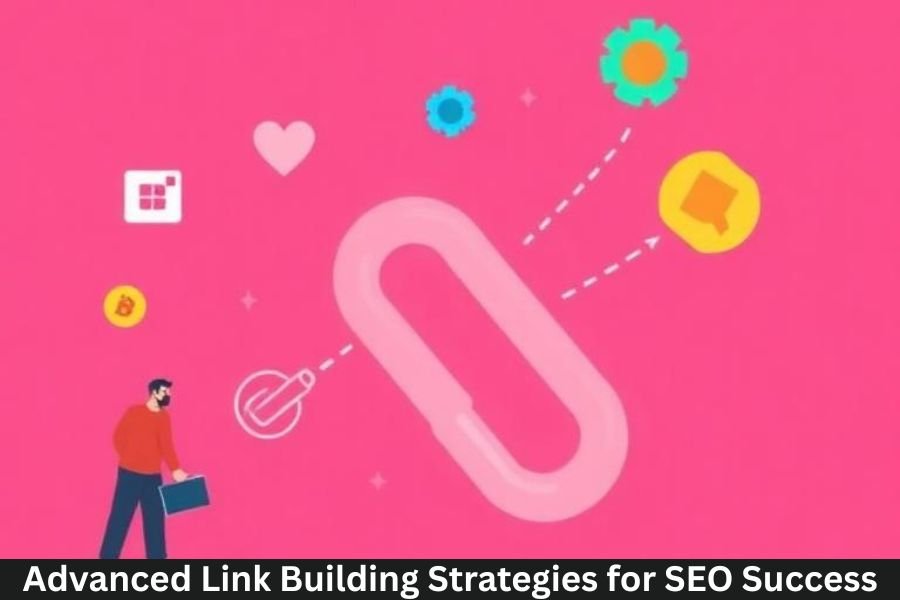
Link building today isn’t what it was five years ago. Back then, grabbing a handful of backlinks—any backlinks—could push your site up the rankings. Today? Google is smarter, users are sharper, and competition is brutal. If you’re still relying on outdated tactics, it’s like bringing a butter knife to a sword fight.
Advanced link building is about strategy, relationships, and value. It’s not just about getting links—it’s about earning them naturally, consistently, and ethically.
Let’s break down the strategies that actually move the needle.
Why Traditional Link Building Is No Longer Enough
Old-school link building focused on volume. Directory submissions, comment links, spammy guest posts—those days are gone. Google’s algorithms now prioritize relevance, authority, and intent.
Think of backlinks like recommendations. Would you trust a restaurant recommended by a food critic—or by a random stranger yelling on the street? Exactly.
Understanding Link Authority and Relevance
What Makes a High-Quality Backlink
A high-quality backlink comes from a site that:
- Has strong domain authority
- Is topically relevant to your niche
- Receives real organic traffic
- Uses natural anchor text
One powerful backlink can outweigh 100 weak ones. Quality always beats quantity.
The Role of Topical Relevance
Links from websites in your niche tell search engines you belong in that conversation. A fitness blog linking to your SEO site? Meh. A marketing authority linking to you? Gold.
Authority vs Traffic Value
Authority matters, but traffic matters too. A backlink that sends engaged visitors is often more valuable than a high-DR link no one clicks.
Content-Led Link Building Strategies
Creating Link-Worthy Evergreen Content
Evergreen content is the gift that keeps on giving. Think:
- Ultimate guides
- In-depth tutorials
- Industry glossaries
When content solves real problems, people naturally link to it.
Data-Driven and Original Research Content
Original data is link bait—the good kind. Surveys, case studies, and market research give other creators a reason to cite you.
If content is king, data is the crown.
Visual Assets and Interactive Content
Infographics, calculators, and interactive tools attract links like magnets. People love sharing visuals—it saves them time and boosts engagement.
Advanced Guest Posting Techniques
Identifying High-Authority Opportunities
Don’t just look at DA. Check:
- Organic traffic
- Publishing standards
- Audience engagement
If a site accepts any post from anyone, walk away.
Pitching with Value-First Outreach
Forget templates. Editors want value. Pitch ideas that:
- Fill content gaps
- Provide fresh insights
- Match their audience’s needs
Personalization wins every time.
Avoiding Guest Post Footprints
Use diverse anchors, natural author bios, and unique topics. Footprints are SEO landmines—step carefully.
Digital PR and Brand Mentions
Using HARO and Journalist Platforms
Help a Reporter Out (HARO) connects experts with journalists. One solid mention can earn links from top-tier publications.
Respond fast. Be helpful. Be concise.
Turning Unlinked Mentions into Backlinks
Already mentioned but not linked? That’s low-hanging fruit. A polite outreach email can turn mentions into backlinks easily.
Building Relationships with Editors
Relationships beat outreach. When editors know you, links come naturally. Play the long game.
Competitor Backlink Analysis
Reverse Engineering Competitor Links
If a competitor earned a link, you can too—often better. Analyze:
- Resource pages
- Guest posts
- PR mentions
Finding Link Gaps and Opportunities
Look for sites linking to competitors but not you. These are warm prospects.
Ethical Replication Strategies
Don’t copy—improve. Offer better content, fresher data, or a unique angle.
Broken Link Building at Scale
Finding Broken Link Opportunities
Websites hate broken links. Use tools to find them, then suggest your content as a replacement.
It’s like being a helpful neighbor instead of a salesperson.
Crafting Outreach That Converts
Keep it short. Point out the problem. Offer the solution. Done.
Automating Without Spamming
Automation saves time—but personalization saves reputation. Balance both.
Advanced Internal Linking for SEO
Strengthening Topical Clusters
Internal links help Google understand your site structure. Group related content and interlink them logically.
Anchor Text Optimization
Use descriptive, natural anchors. Avoid over-optimization—it screams manipulation.
Preventing Orphan Pages
Every page should be linked internally. Orphan pages are SEO ghosts—no visibility, no value.
Leveraging Influencers and Partnerships
Co-Created Content for Natural Links
Collaborate on podcasts, webinars, or joint studies. Partners naturally link back.
Strategic Collaborations
Align with brands that share your audience but aren’t competitors. Win-win.
Measuring Partnership ROI
Track referral traffic, links earned, and brand mentions—not just rankings.
Link Building for E-E-A-T
Building Trust and Authority Signals
Expert quotes, author bios, and citations strengthen credibility.
Author and Brand Credibility
People trust people. Showcase real experts behind content.
Long-Term SEO Impact
E-E-A-T-focused links don’t spike rankings overnight—but they last.
Common Advanced Link Building Mistakes
- Chasing metrics over relevance
- Using generic outreach templates
- Ignoring internal links
- Building links without content value
Avoid these, and you’re already ahead.
Future of Link Building in SEO
Link building is shifting toward brand authority, trust, and real relationships. AI content may grow—but human credibility will matter more than ever.
The future belongs to brands, not tactics.
Conclusion
Advanced link building isn’t about tricks—it’s about trust. When you create valuable content, build real relationships, and focus on relevance, links follow naturally. Think long-term, stay ethical, and treat link building like networking—not hunting.
SEO success isn’t built overnight, but with the right strategies, it is inevitable.
FAQs
1. How long does advanced link building take to show results?
Usually 3–6 months, depending on competition and consistency.
2. Are backlinks still important for SEO in 2026?
Yes. They remain one of the strongest ranking signals.
3. How many backlinks do I need to rank?
There’s no fixed number—quality and relevance matter more.
4. Is paid link building safe?
Only if it’s transparent and value-based. Avoid link schemes.
5. What is the safest advanced link building strategy?
Content-led link building combined with digital PR.