Facebook ads are everywhere—and for good reason. When done right, they can turn casual scrollers into loyal customers.
Why Facebook Ads Still Work
Despite all the noise, Facebook remains one of the most powerful advertising platforms in the world. With billions of active users and insane targeting options, it’s like having a billboard that only your ideal customer can see.
What “Converting Ads” Really Mean
A converting ad doesn’t just get likes or clicks. It gets results—sales, leads, sign-ups, or bookings. Conversions are the finish line, not impressions.
Understanding the Facebook Ads Ecosystem
Facebook Ads Manager Explained
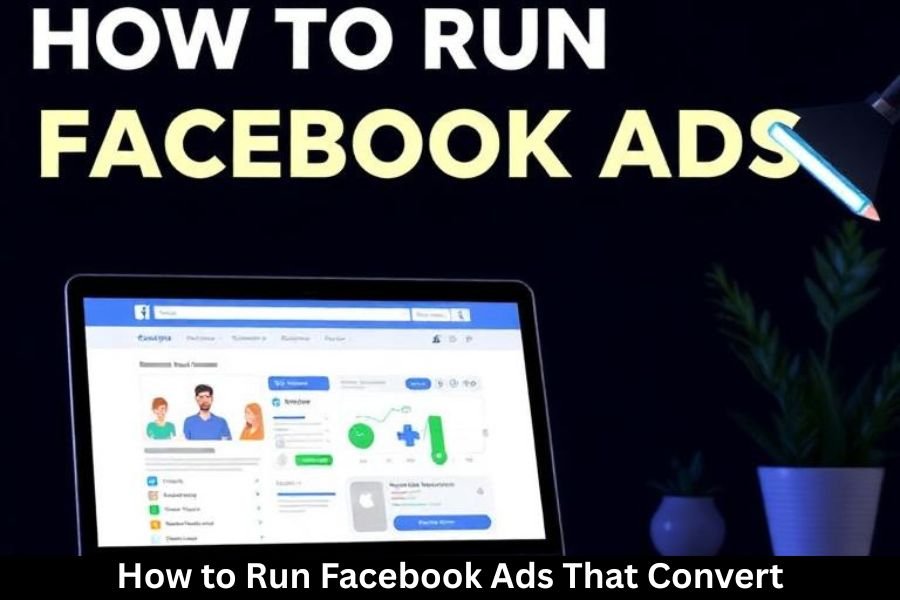
Ads Manager is where everything happens—creating campaigns, tracking results, and optimizing performance. It may look overwhelming at first, but once you understand the layout, it’s incredibly powerful.
Campaign, Ad Set, and Ad Structure
Think of it like a tree:
- Campaign = Your goal
- Ad Set = Audience, budget, placement
- Ad = Creative (copy, image, video)
Get this structure right, and everything else becomes easier.
Setting Clear Goals Before Running Ads
Choosing the Right Campaign Objective
Facebook optimizes ads based on your objective. If you want sales, choose conversions—not traffic or engagement.
Aligning Ads With Business Goals
Every ad should serve a purpose. If you can’t explain why an ad exists, it probably shouldn’t.
Knowing Your Target Audience
Creating Buyer Personas
Who are you selling to? What keeps them up at night? The better you know your audience, the better your ads will perform.
Core Audiences
These are people you target based on interests, demographics, and behaviors.
Custom Audiences
Upload email lists, retarget website visitors, or reach people who engaged with your content.
Lookalike Audiences
Facebook finds people similar to your best customers. This is one of the fastest ways to scale.
Audience Targeting Strategies That Convert
Interest-Based Targeting
Target users based on hobbies, brands they like, or topics they follow.
Behavioral Targeting
Reach people based on purchase behavior, device usage, or travel habits.
Retargeting Warm Audiences
These users already know you—and they’re more likely to convert.
Website Visitors
Remind them why they came in the first place.
Video Viewers
People who watched your videos are already engaged.
Engaged Social Users
Likes, comments, saves—these signals matter.
Crafting High-Converting Facebook Ad Creatives
Writing Scroll-Stopping Headlines
You have about 2 seconds to grab attention. Make it count.
Ad Copy That Speaks to Pain Points
Talk less about features and more about solutions. People buy relief, not products.
Choosing the Right Visuals
Use clean, eye-catching visuals that tell a story at a glance.
Video Ads vs Image Ads
Video builds trust faster, but images are simpler to test. Use both.
Facebook Ad Formats You Should Use
Single Image Ads
Simple, fast, and effective for beginners.
Video Ads
Perfect for storytelling and education.
Carousel Ads
Great for showcasing multiple products or benefits.
Collection Ads
Ideal for mobile shopping experiences.
Lead Form Ads
Remove friction and collect leads directly inside Facebook.
Building Landing Pages That Convert
Message Match Between Ads and Pages
If your ad promises one thing and your page shows another, conversions die.
Mobile Optimization
Most Facebook traffic is mobile. If your page isn’t mobile-friendly, you’re wasting money.
Clear Call-to-Action (CTA)
Tell users exactly what to do next—don’t make them guess.
Budgeting and Bidding Strategies
Daily vs Lifetime Budgets
Daily budgets offer flexibility. Lifetime budgets give Facebook more optimization room.
Smart Bidding Options
Start with automatic bidding. Let Facebook’s algorithm do the heavy lifting.
Scaling Without Killing Performance
Increase budgets slowly. Sudden jumps confuse the algorithm.
A/B Testing for Better Results
What Elements to Test
Test headlines, creatives, audiences, and CTAs—one at a time.
How Long to Run Tests
Give tests at least 3–7 days to gather meaningful data.
Reading Test Results Correctly
Look beyond clicks. Conversions tell the real story.
Facebook Pixel and Conversion Tracking
Why the Facebook Pixel Is Critical
The pixel tracks user actions and feeds data back to Facebook for optimization.
Setting Up Events
Track purchases, leads, add-to-cart actions, and more.
Tracking Real Conversions
Without tracking, you’re guessing—and guessing is expensive.
Optimizing Facebook Ads for Conversions
Improving Click-Through Rate (CTR)
Better creatives and clearer messaging boost CTR.
Lowering Cost Per Conversion
Optimize targeting, creatives, and landing pages together—not separately.
Frequency and Ad Fatigue
If people see the same ad too often, performance drops. Rotate creatives regularly.
Common Facebook Ads Mistakes to Avoid
Targeting Too Broad or Too Narrow
Find the sweet spot. Extreme targeting rarely works.
Ignoring Creative Refresh
Old ads go stale. Refresh creatives every few weeks.
Sending Traffic to Poor Pages
Even the best ads can’t fix a bad landing page.
Advanced Facebook Ads Strategies
Funnel-Based Facebook Ads
Guide users from awareness to conversion step by step.
Retargeting and Sequential Ads
Show different ads based on where users are in the journey.
Using User-Generated Content (UGC)
Real people build real trust.
Facebook Ads for Different Business Types
E-commerce Facebook Ads
Focus on product visuals, reviews, and urgency.
Local Business Ads
Use location targeting and clear offers.
B2B and Lead Generation Ads
Educate first. Sell later.
Measuring Success and ROI
Key Metrics That Matter
Conversions, CPA, ROAS, and frequency matter more than likes.
Understanding ROAS
Return on ad spend tells you if your ads are profitable.
Scaling Winning Campaigns
Double down on what works. Pause what doesn’t.
Conclusion
Running Facebook ads that convert isn’t about luck—it’s about strategy, testing, and understanding your audience. When you combine the right targeting, compelling creatives, and strong landing pages, Facebook ads become a predictable growth machine. Treat them like a system, not a gamble, and the results will follow.
Frequently Asked Questions (FAQs)
1. How much should I spend on Facebook ads as a beginner?
Start small—$5–$10 per day—and scale once you see results.
2. How long does it take for Facebook ads to work?
Most campaigns need at least 3–7 days to stabilize.
3. Are Facebook ads still worth it in 2025?
Yes, when done strategically and with proper tracking.
4. What’s better—traffic or conversion campaigns?
Conversion campaigns perform better when sales or leads are the goal.
5. Why are my Facebook ads getting clicks but no sales?
The issue is usually the landing page, offer, or audience mismatch.