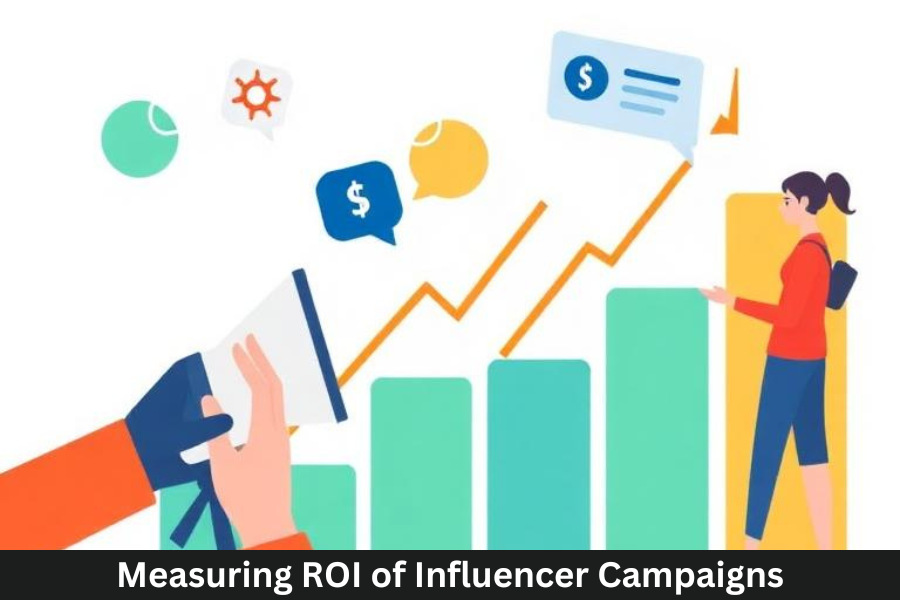
Influencer marketing looks glamorous on the surface. Likes, comments, shares, and viral moments everywhere. But behind the scenes, one question keeps marketers awake at night: Is this actually working? That’s where measuring ROI of influencer campaigns comes into play. ROI, or return on investment, turns creative buzz into concrete business insight.
What ROI Means in Influencer Marketing
In simple terms, ROI measures what you get back compared to what you put in. If you spend $1,000 on an influencer campaign and generate $3,000 in value, that’s a win. But influencer ROI isn’t always about direct sales. Sometimes it’s about visibility, trust, or long-term growth.
Why ROI Measurement Matters More Than Ever
As influencer marketing budgets grow, so does scrutiny. Brands no longer want “vibes” and vanity metrics. They want proof. Measuring ROI helps justify budgets, optimize campaigns, and identify which influencers are truly worth the investment.
Understanding the Basics of Influencer Campaigns
Before measuring ROI, you need to understand what kind of campaign you’re running. Not all influencer campaigns are built the same.
Types of Influencer Campaigns
Brand Awareness Campaigns
These campaigns focus on reach and impressions. The goal isn’t immediate sales but getting your brand in front of new eyes. Think of it like planting seeds rather than harvesting crops.
Performance-Driven Campaigns
Here, results matter fast. Clicks, sign-ups, downloads, and purchases are the main targets. ROI is usually easier to calculate because outcomes are measurable.
Common Goals Brands Set
Typical influencer goals include increasing website traffic, boosting sales, growing social followers, or improving brand perception. Clear goals make ROI measurement far less messy.
Defining Clear Objectives Before Measuring ROI
Trying to measure ROI without clear objectives is like using a GPS without a destination. You’ll move, but you won’t know where you’re going.
Awareness vs Conversions
Awareness campaigns focus on impressions and engagement, while conversion campaigns focus on actions. Mixing these up leads to inaccurate ROI calculations and unrealistic expectations.
Aligning Influencer Goals With Business Goals
Influencers should support your overall business strategy. If your business goal is sales, but the influencer only delivers views, ROI will feel disappointing.
Key Metrics Used to Measure Influencer ROI
Metrics are the building blocks of ROI measurement. Choosing the right ones is crucial.
Engagement Metrics
Likes, comments, shares, saves, and story interactions show how audiences respond to content. High engagement often signals trust and relevance.
Traffic Metrics
Website visits, landing page clicks, and session duration help track whether influencer content drives real interest.
Conversion Metrics
Sales, sign-ups, app installs, or downloads directly tie influencer efforts to revenue.
Brand Lift Metrics
Brand awareness, recall, and sentiment can be measured through surveys and social listening tools.
Calculating Influencer Marketing ROI
Now let’s talk numbers. Calculating ROI doesn’t have to be complicated.
Basic ROI Formula Explained
The classic formula looks like this:
ROI = (Return – Investment) ÷ Investment × 100
Simple, right? The challenge lies in defining “return.”
Revenue-Based ROI
This method uses direct sales generated by influencers. It’s ideal for e-commerce brands using tracking links or discount codes.
Cost-Based ROI
Here, brands compare influencer costs to the value of outcomes like impressions or engagement, often using CPM or CPE models.
Tracking Tools and Technologies
Without tools, measuring ROI becomes guesswork. Thankfully, technology has your back.
Google Analytics
Google Analytics tracks traffic, conversions, and user behavior coming from influencer links.
Influencer Platforms
Platforms like influencer marketplaces and campaign dashboards provide built-in analytics for reach and engagement.
Affiliate Links and Promo Codes
Unique links and discount codes help attribute sales directly to specific influencers.
Attribution Models in Influencer Marketing
Attribution decides who gets credit for conversions, and it’s more complex than it sounds.
First-Touch Attribution
The influencer gets credit for introducing the customer to your brand.
Last-Touch Attribution
The influencer gets credit for closing the sale.
Multi-Touch Attribution
Credit is shared across multiple touchpoints, offering a more realistic view of influence.
Measuring Non-Monetary ROI
Not all returns show up as dollars. Some are subtle but powerful.
Brand Awareness
Increased mentions, searches, and recognition indicate growing awareness.
Audience Growth
New followers, subscribers, and community members add long-term value.
Content Value
Influencer-generated content can be reused across ads, websites, and emails, saving production costs.
Common Challenges in Measuring Influencer ROI
Even with the best tools, challenges remain.
Inconsistent Metrics
Different platforms measure engagement differently, making comparisons tricky.
Fake Engagement
Bots and fake followers can inflate numbers without delivering real value.
Long-Term Impact Tracking
Influencer marketing often works over time, making short-term ROI hard to capture.
Benchmarking Influencer Performance
Benchmarks help you understand what “good” looks like.
Industry Benchmarks
Engagement rates and CPMs vary by industry. Comparing fashion metrics to tech metrics won’t help.
Comparing Influencers Fairly
Audience size, platform, and content style all affect performance.
ROI by Influencer Type
Not all influencers deliver the same kind of ROI.
Nano and Micro Influencers
Smaller audiences, higher trust, and often better engagement rates.
Macro and Mega Influencers
Massive reach, strong awareness impact, but usually higher costs.
Improving ROI in Influencer Campaigns
Good ROI doesn’t happen by accident. It’s engineered.
Choosing the Right Influencers
Relevance beats reach every time. A smaller, engaged audience often converts better.
Optimizing Campaign Strategy
Clear briefs, authentic content, and realistic timelines improve results.
Repurposing Influencer Content
Turn influencer posts into ads, website visuals, or email content to multiply value.
Real-World Examples of Influencer ROI
Examples make theory tangible.
E-commerce Brands
Brands using promo codes often see direct, trackable sales from influencer campaigns.
SaaS and Service Brands
These brands focus more on lead quality, sign-ups, and demo requests.
Future of Measuring Influencer ROI
The landscape keeps evolving.
AI and Advanced Analytics
AI-powered tools predict performance, detect fake engagement, and improve attribution.
Privacy and Data Changes
Data restrictions push brands toward first-party data and smarter tracking methods.
Conclusion
Measuring ROI of influencer campaigns isn’t about finding a single magic number. It’s about understanding value in all its forms, from sales and traffic to trust and visibility. When goals are clear, metrics are aligned, and tools are used wisely, influencer marketing transforms from a guessing game into a predictable growth channel. Think of ROI as your compass. It doesn’t just tell you where you’ve been, it guides where you should go next.
Frequently Asked Questions (FAQs)
1. What is the best metric to measure influencer ROI?
There’s no single best metric. The right metric depends on your campaign goal, whether it’s awareness, traffic, or conversions.
2. Can influencer ROI be measured without direct sales?
Yes. Brand awareness, engagement, audience growth, and content value all contribute to ROI.
3. How long does it take to see influencer ROI?
Some campaigns deliver quick results, while others show value over weeks or months.
4. Are micro-influencers better for ROI?
Often, yes. They usually have higher engagement and lower costs, which can improve ROI.
5. How can brands avoid fake influencer metrics?
Use analytics tools, audit influencer profiles, and focus on engagement quality, not just numbers.